Best portable chargers for Tesla and NACS cars
Two routes to the same outcome: a charger with a NACS connector on it, or a J1772 charger and one adapter. Here is when each is right.

How this page is funded: the buy links below are affiliate links, and Renter Volt earns a commission on qualifying purchases at no cost to you. Nothing here was supplied by a manufacturer, and commission plays no part in the ranking — read the full disclosure. Picks are chosen from published specifications rather than hands-on testing; the method is written down so you can check it. Prices last verified October 27, 2026.
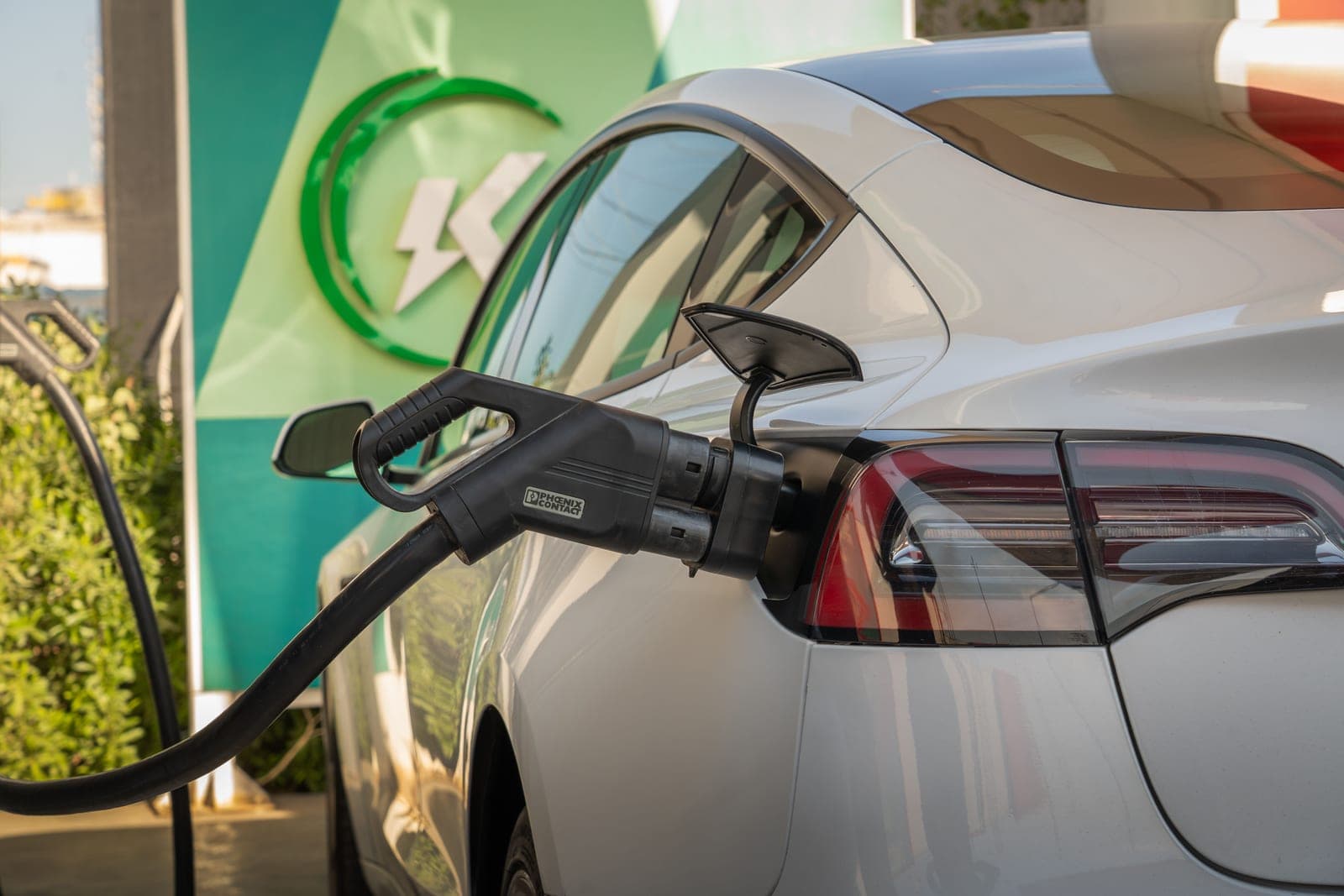
If your car has a NACS port, you have two options and they cost different amounts. Buy a charger with a NACS connector on the end, or buy a J1772 charger and a J1772-to-NACS adapter. Both work. The right one depends on whether your household is likely to contain a J1772 car at any point.
| NACS-connector charger | J1772 charger + adapter | |
|---|---|---|
| Parts in the chain | One | Two |
| Works with a J1772 car later | No | Yes, remove the adapter |
| Something small to lose | No | Yes, the adapter |
| Also useful at public J1772 stations | No | Yes — the adapter travels |
| Best for | A single-NACS household that will stay that way | A mixed or changing household |
The second column is underrated. An adapter you own for home charging is the same adapter that lets you use a workplace or apartment J1772 pedestal, so it does two jobs. The first column is genuinely simpler and has one less thing to lose in a shared parking structure.
Quick picks
Ranked, with the reasoning underneath. Tap any row to jump to that write-up; tap the price to check it on Amazon. Prices come from the live layer, never from this page.
| # | Product | Best for | Type | Price |
|---|---|---|---|---|
| 1 | 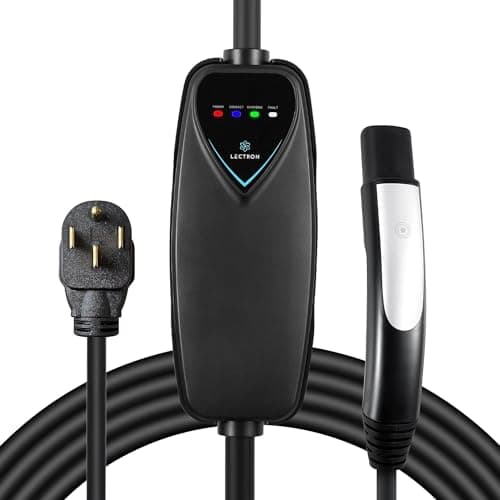 Lectron Portable Level 2 Tesla (NACS) Charger (40A, NEMA 14-50)The same 40 amp plug-in unit with a NACS connector on the end, so a Tesla or a NACS-port car charges without an adapter in the middle. Lectron Portable Level 2 Tesla (NACS) Charger (40A, NEMA 14-50)The same 40 amp plug-in unit with a NACS connector on the end, so a Tesla or a NACS-port car charges without an adapter in the middle. | A Tesla or NACS car | Plug-in Level 2 EVSE | |
| 2 | 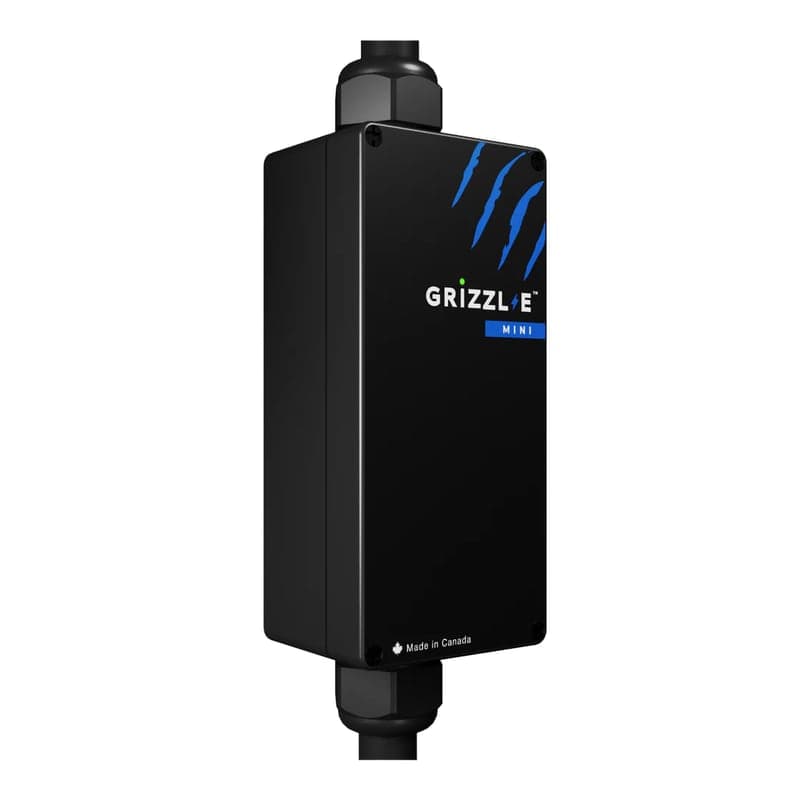 Grizzl-E Mini Connect Portable ChargerAdjustable from 7 to 40 amps and shipped with four plug adapters, which is the closest thing to a unit that fits whatever outlet you turn out to have. Grizzl-E Mini Connect Portable ChargerAdjustable from 7 to 40 amps and shipped with four plug adapters, which is the closest thing to a unit that fits whatever outlet you turn out to have. | Not knowing your outlet yet | Adjustable Level 1 and 2 EVSE | Check price#ad |
| 3 | 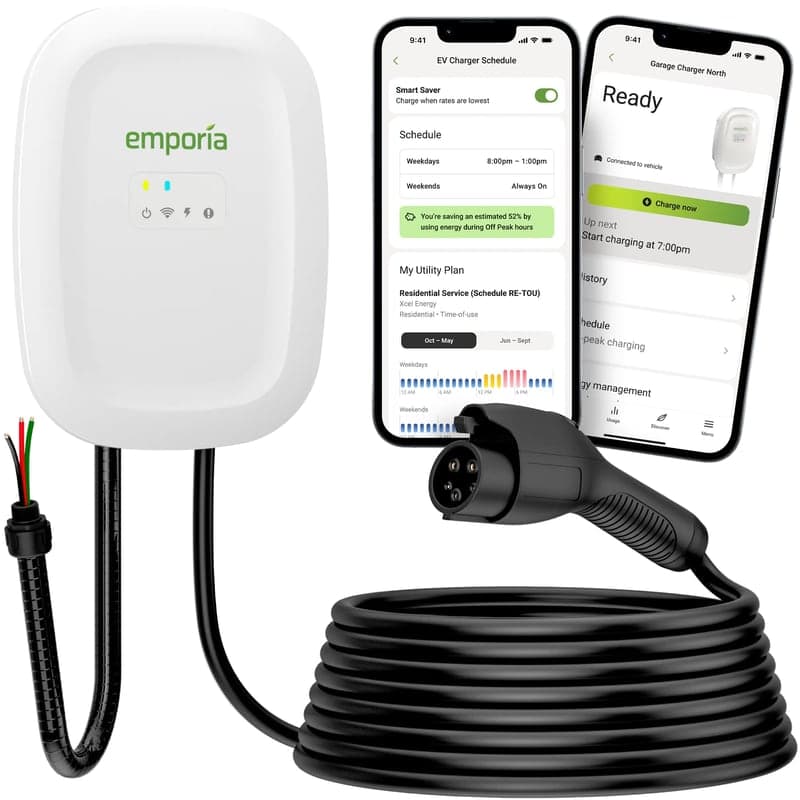 Emporia Classic Level 2 EV Charger (NEMA 14-50 plug)A plug-in smart charger whose scheduling genuinely pays for itself if your utility bills you differently overnight. Emporia Classic Level 2 EV Charger (NEMA 14-50 plug)A plug-in smart charger whose scheduling genuinely pays for itself if your utility bills you differently overnight. | Charging on a schedule | Plug-in smart EVSE | Check price#ad |
| 4 | 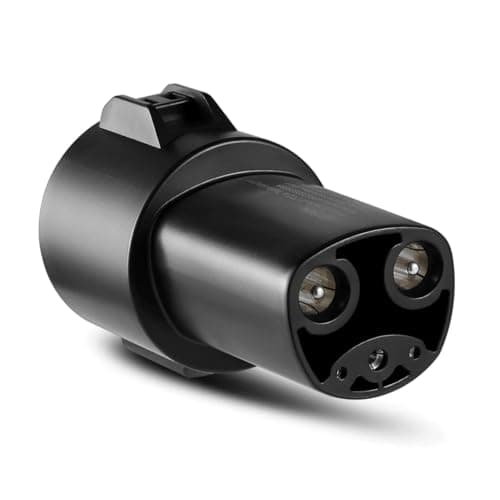 Lectron J1772 to Tesla (NACS) AdapterThe opposite direction, and the one Tesla drivers actually need: it lets a NACS car take the J1772 cable that most workplaces and older buildings already have. Lectron J1772 to Tesla (NACS) AdapterThe opposite direction, and the one Tesla drivers actually need: it lets a NACS car take the J1772 cable that most workplaces and older buildings already have. | A Tesla at a J1772 station | AC charging adapter |
#1 · A Tesla or NACS car
Lectron Portable Level 2 Tesla (NACS) Charger (40A, NEMA 14-50)
The same 40 amp plug-in unit with a NACS connector on the end, so a Tesla or a NACS-port car charges without an adapter in the middle.
| Input | 240V, 40A maximumsource |
|---|---|
| Output power | 9.6 kWsource |
| Plug / connector | NEMA 14-50 plug, NACS connectorsource |
| Charging type | AC Level 2 onlysource |
| Certification | UL 2594 / UL 2231 / UL 2251 / UL 817 certifiedsource |
What those numbers mean
Buying the connector your car actually has removes a failure point. An adapter is one more thing to lose, one more thing to have walk off from a shared outlet, and one more contact interface to get warm.
This is an AC Level 2 unit. NACS is also the DC fast-charging connector, and the shared shape leads people to assume one cable does both. It does not.
If your household ever changes to a J1772 car, this becomes the wrong unit and a J1772 model becomes right. That is the argument for the adapter route if you expect to switch.
What it does well
- No adapter in the charging path for a Tesla or NACS-port vehicle
- Carries four UL listings, including UL 2251 for the coupler itself
- Same 40 amp ceiling as the J1772 version, so no speed penalty for the connector choice
What it does not
- Useless with a J1772 car unless you add an adapter, which is the situation you bought it to avoid
- The NEMA 14-50 plug still assumes a 50 amp circuit
Skip this one if: Your household has, or is about to have, a J1772 car as well. Buy the J1772 unit and one NACS adapter instead, and cover both.
#2 · Not knowing your outlet yet
Grizzl-E Mini Connect Portable Charger
Adjustable from 7 to 40 amps and shipped with four plug adapters, which is the closest thing to a unit that fits whatever outlet you turn out to have.
| Adjustable current | 7A to 40A (9.6 kW maximum)source |
|---|---|
| Voltage | Automatically detects 120V (Level 1) or 240V (Level 2)source |
| Cable length | 25 ft (7.6 m)source |
| Plug and adapters | NEMA 14-50 plug plus four included electrical adapterssource |
| Connector | J1772 or Tesla (NACS) versionssource |
| Enclosure | UL Type 4 / IP67 ratedsource |
| Certification | UL tested and certified, Energy Star certifiedsource |
What those numbers mean
The adjustable current is the feature that matters to a renter, and it is not a convenience. A 30 amp dryer circuit legally supports 24 amps of continuous EV load; a unit that can be set to 24 amps can use that circuit, and a fixed 40 amp unit cannot.
25 ft of cable is nine feet more than the common 16 ft, and nine feet is frequently the difference between reaching the car and not.
IP67 and a UL Type 4 enclosure describe the unit's own weather tolerance. They say nothing about the outlet it plugs into, which is usually the part that is not weather-rated.
What it does well
- 7-40A adjustment means one unit fits a 15, 20, 30 or 50 amp circuit
- 25 ft cable is among the longest on a portable unit
- Four plug adapters included, so an outlet change does not mean a new charger
- Available with either a J1772 or a NACS connector
What it does not
- Costs meaningfully more than a fixed-amperage unit that does one job
- The bundled adapters make it easy to plug into a circuit you have not actually checked
Skip this one if: You know exactly which outlet you have, it is not changing, and you would rather put the money into a longer cable than into adjustability you will set once and never touch.
#ad · how this is funded · price as of October 27, 2026
#3 · Charging on a schedule
Emporia Classic Level 2 EV Charger (NEMA 14-50 plug)
A plug-in smart charger whose scheduling genuinely pays for itself if your utility bills you differently overnight.
| Maximum output | 9.6 kW (40A) with a NEMA 14-50 outlet; 11.5 kW (48A) hardwiredsource |
|---|---|
| Connector | J1772 or NACS (Tesla) modelssource |
| Enclosure | Type 4 enclosure, watertight, indoor or outdoorsource |
| Certification | UL certified and GFCI protectedsource |
| Scheduling | Off-peak scheduling and real-time charge-rate monitoring in the Emporia appsource |
What those numbers mean
Note the honest asymmetry in the first row: the 48 amp headline number is the hardwired figure. On a NEMA 14-50 plug — the only version a renter should be looking at — it is a 40 amp charger. That is not a downgrade, it is what the plug is rated for.
The scheduling is the actual reason to pay more here. If you are on a time-of-use rate, charging on a timer is worth real money over the length of a lease.
It is a wall-mount form factor with a plug on it. You can hang it on a hook or leave it in the trunk; nothing about it requires a bracket screwed into the landlord's drywall.
What it does well
- Scheduling and energy monitoring that are useful rather than decorative
- Type 4 watertight enclosure rated for outdoor use
- Sold with either a J1772 or a NACS connector
- The plug-in version needs no electrician and comes off the wall when you move
What it does not
- The advertised 48 amps is hardwired-only; the plug-in version is 40 amps
- Scheduling needs Wi-Fi, which is not a given in a detached carport or a parking structure
Skip this one if: Your electricity costs the same at every hour and there is no Wi-Fi where you park. You would be paying for a feature set you cannot reach or use.
#ad · how this is funded · price as of October 27, 2026
#4 · A Tesla at a J1772 station
Lectron J1772 to Tesla (NACS) Adapter
The opposite direction, and the one Tesla drivers actually need: it lets a NACS car take the J1772 cable that most workplaces and older buildings already have.
| Maximum current | Up to 80A at 240V ACsource |
|---|---|
| Direction | SAE J1772 charging station into a Tesla (NACS / J3400) vehicle portsource |
| Compatibility | Any Level 1 or Level 2 charger with a J1772 connector; Tesla Model S, 3, X and Y plus other NACS (J3400) vehiclessource |
| Ingress rating | IP67-rated for water and dustsource |
| Operating temperature | -22°F to 122°Fsource |
| Certification | UL 2251 and TUV certifiedsource |
What those numbers mean
Most public and workplace AC charging in the US is still J1772, and most Teslas ship without an adapter for it. This is the part that fills that gap, and it lives in the frunk.
IP67 is the strongest ingress rating of any adapter here — dust tight and rated for temporary immersion rather than just spray. That is the specification to want for something left connected outdoors overnight, though it is still worth keeping the coupling out of standing water.
80A is roughly double what any Level 2 AC station will hand you, so the adapter is never the limiting factor in the chain. Treat the rating as headroom on a connection that carries current for hours, not as speed.
What it does well
- The direction Tesla drivers actually need for apartment and workplace J1772 cables
- IP67 rating and a published -22°F to 122°F operating range
- UL 2251 and TUV certified
What it does not
- AC only — it does nothing at a CCS DC fast charger
- Small and valuable, which is exactly the theft profile of a shared parking garage
Skip this one if: Your car has a J1772 port. This adapter is for NACS-port vehicles and will not fit yours in either orientation.
#ad · how this is funded · price as of October 27, 2026
Which cars have a NACS port
Every Tesla sold in North America, and a growing list of other manufacturers as the industry transitions. Because that list changes with model year rather than with brand, the reliable check is the car in front of you rather than any article: a NACS inlet is a small, round, five-pin connector, and a J1772 inlet is larger with a distinctive flat-topped outline and a latch tab on top.
Adapters by vehicle has the compatibility framing, including the caveat that matters most: adoption dates move, and a compatibility claim without a date on it is worthless.
What the mobile connector that came with the car does and does not cover
Most NACS-port cars ship with a portable cable of some kind. It is genuinely useful and for many owners it is enough. The reasons people buy a second unit are consistent and worth naming plainly:
- Cable length. Factory mobile cables are frequently around 20 ft, and a longer aftermarket unit exists.
- Leaving one in place. Owning two means one lives permanently where you park and one lives in the trunk for travel.
- Amperage adjustability, if your only 240V is a shared 30 amp circuit.
- Not wanting to carry the expensive one around, which is a legitimate reason in shared parking.
A note about DC fast charging
Where the speed actually comes from
Not the connector. A NACS cable and a J1772 cable carrying the same AC current deliver identical power, and the adapter between them is a piece of copper, not a bottleneck — the adapters here are rated at 60 to 80 amps against a residential supply that will never exceed 40. If home charging feels slow, the cause is the circuit or the car, not the plug shape. What amp rating you need works through where the ceiling actually is.
Questions people actually ask
Do I need a special charger for a Tesla at home?
No. You need a NACS connector at the end of the cable, which you get either from a NACS-connector charger or from a J1772 charger plus a J1772-to-NACS adapter. Both deliver the same power.
Is a NACS portable charger faster than J1772 plus an adapter?
No. At the same amperage they are identical. The adapters are rated far above any residential AC supply, so nothing in that chain is a bottleneck.
Can I use my home NACS charger at a Supercharger?
No — the question is backwards. A home charger is AC equipment; a Supercharger is DC and supplies the car directly. They share a connector shape and nothing else.
Should I buy a NACS charger or an adapter?
A NACS-connector charger if your household is one NACS car and will stay that way. A J1772 charger plus an adapter if it might not, because the adapter also lets you use public and workplace J1772 stations.
Sources
Every figure on this page traces to one of these. If a number here disagrees with the manufacturer, the manufacturer is right and we want to know — tell us.
Read next
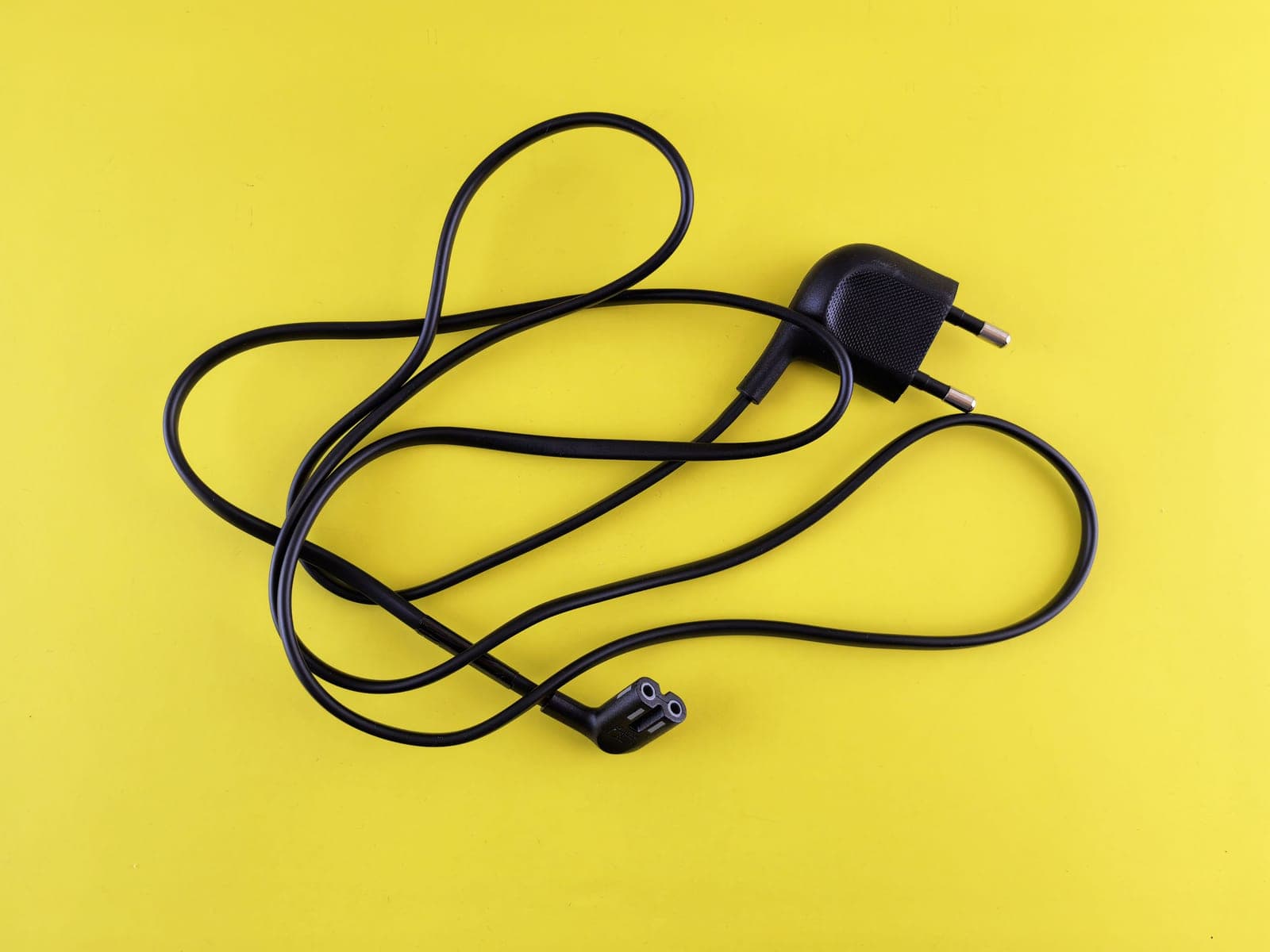
Best Portable Charger
Best portable EV chargers
The portable charger section: plug-in Level 1 and Level 2 units ranked by the outlet you can actually reach, with every spec cited.
Top pick: Grizzl-E Mini Connect Portable Charger
Guide
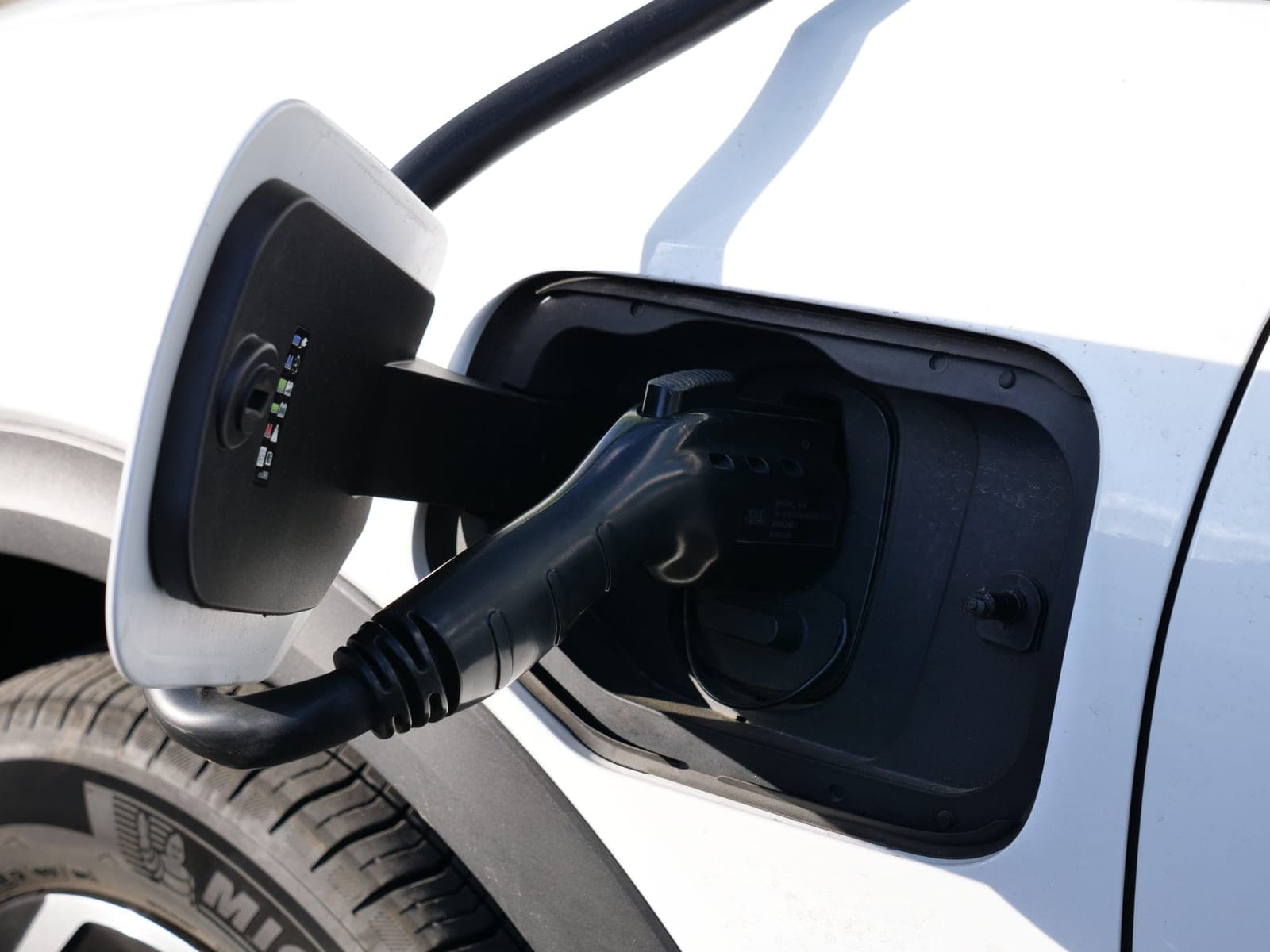
NACS to J1772 vs J1772 to NACS
The direction question answered up front: an adapter is named for the cable it plugs onto first and the car it presents to second.
Top pick: Lectron Tesla (NACS) to J1772 Adapter, 48A

Guide
Which adapter does your car need?
A vehicle-first method for choosing an adapter, and an honest account of why dated compatibility lists are the only trustworthy kind.
Top pick: Lectron Tesla (NACS) to J1772 Adapter, 48A
Guide
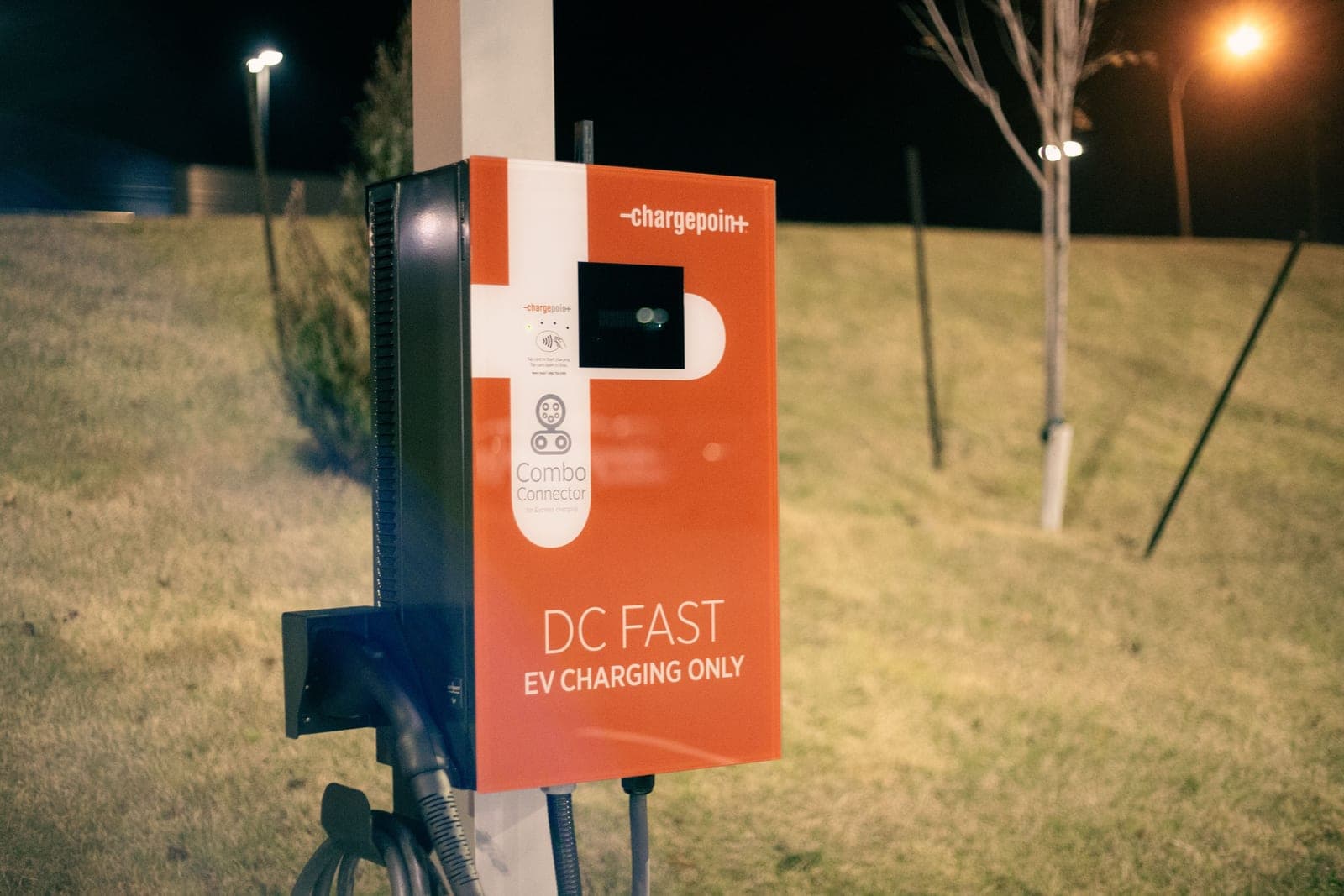
Why your adapter is AC only
AC versus DC charging explained through the connector: why an adapter that fits perfectly can still do nothing at a fast charger.
Top pick: A2Z EV Stellar NACS to J1772 Adapter, 80A
Guide
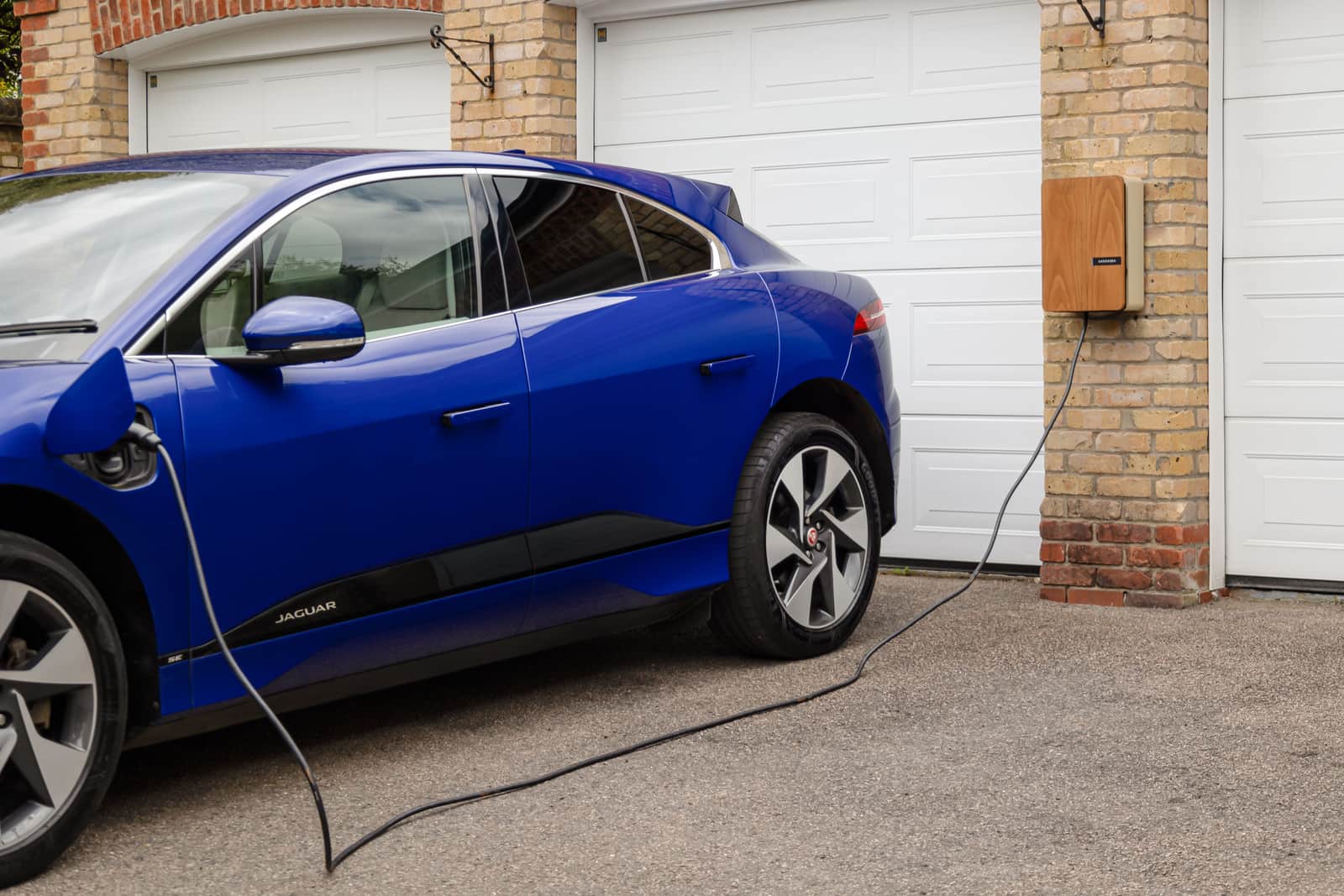
Working out the amp rating you need
A step-by-step method for sizing charger amperage to a real circuit, including how to find the breaker and what to do when you cannot.
Top pick: Grizzl-E Mini Connect Portable Charger
Best Head-to-Head
Grizzl-E Mini vs Emporia Classic
The head-to-head renters actually run: adjustable 7-40A flexibility against app scheduling and energy reporting.
Top pick: Grizzl-E Mini Connect Portable Charger