The letter to send your landlord
Copy it, fill in the four bracketed parts, send it. It is written to be answerable in one reply rather than escalated to a committee.

Nothing to buy on this page: This page is a document. The reader's next action is sending an email, not buying anything, and a buy button here would be an interruption rather than a service.
The letter below is short on purpose. Building managers approve small, specific, bounded requests and escalate open-ended ones. Every line here is doing a job, and the notes underneath explain which — so you can adapt it without accidentally removing the part that makes it work.
The letter
Why each part is there
- "The existing electrical outlet at [specific location]" — names a thing that already exists. The request becomes about permission rather than construction, which is a different decision and a much smaller one.
- "This is not an installation" — said explicitly because it is the assumption that generates the reflexive no. Managers hear "EV charger" and picture conduit and a contractor.
- "UL-listed appliance ... removed by unplugging it" — answers the liability question before it is asked, and it is true of everything recommended on this site.
- "I am happy to pay for the electricity" — removes the objection that is usually doing the actual work. Offer it before you are asked; offering it afterwards reads as a concession.
- "I would support any general rule you set" — this is the line that most often converts a maybe. The manager's real fear is precedent they cannot control, and volunteering to be governed by a policy removes it.
Three variants for three situations
If the outlet is in a shared laundry room
Add a sentence about the splitter: "I would use an automatic splitter switch, a listed device that plugs into the dryer outlet and guarantees only one appliance draws power at a time, so the dryer is never affected." That sentence answers the objection you are about to get. Shared laundry room charging explains the device.
If you are asking for a new outlet to be added
This is a bigger ask and the letter should say so plainly. Add: "I understand this is a larger request than using an existing outlet. I would pay the full cost of the work, use a licensed electrician of your choosing, and restore the wall at the end of my tenancy if you prefer." Expect a longer timeline and a real conversation about the building's electrical capacity — the condo page covers the load argument, which applies to rentals just as well.
If you are asking before you sign a lease
This is the strongest position you will ever have, so make the ask a question rather than a request: "Before I apply — is a plug-in EV charger in the assigned space something you permit? It is a factor in my decision." A prospective tenant's question gets routed to somebody who wants to fill the unit, and that is a different person from the one who handles maintenance requests.
After you send it
- Give it a week before following up. Leasing offices are not fast and a second email in three days reads as pressure.
- Take the answer in writing, even if it is a yes over the phone. "Confirming our conversation — you are happy for me to use the carport outlet, and I will pay [x] per month" is enough.
- If it is a no, ask what would make it a yes. Sometimes the answer is a submeter. Sometimes it is that the outlet is on a circuit that already has problems, which is genuinely useful to know.
- If it is a no with no path, that is real — street parking and home versus public charging cover the routine that replaces home charging.
One more thing worth saying: none of the ten competing sites we looked at while researching this niche publishes a letter like this. That is not a boast about us, it is an observation about the category — it is full of product lists and short on the document a renter actually needs to send. If it is useful, it is yours to copy and change.
Questions people actually ask
What should I say to my landlord about charging my EV?
Ask for permission to use one specific existing outlet, state plainly that a plug-in charger is not an installation, offer to pay for the electricity, and volunteer to be covered by whatever general rule they set. That combination is answerable in a single reply.
Should I mention the law in the letter?
Generally not in the first letter. Most US right-to-charge statutes cover condo owners rather than tenants, so a misapplied claim weakens a request that would otherwise have succeeded. Renter rights has the honest version.
What if my landlord says the building cannot handle the load?
That is often a real constraint rather than an excuse. The answer is to propose lower amperage overnight charging rather than the fastest circuit available — a car parked twelve hours does not need 40 amps.
Can I be asked to remove the charger later?
Yes, and offering that up front is part of what makes the request easy to approve. Everything recommended on this site unplugs, which is why the offer costs you nothing.
Sources
Every figure on this page traces to one of these. If a number here disagrees with the manufacturer, the manufacturer is right and we want to know — tell us.
Read next

Start here
You don't have a garage. Here's what actually works.
The pillar guide: what charging looks like when there is no garage, no driveway and no landlord willing to run a new circuit.
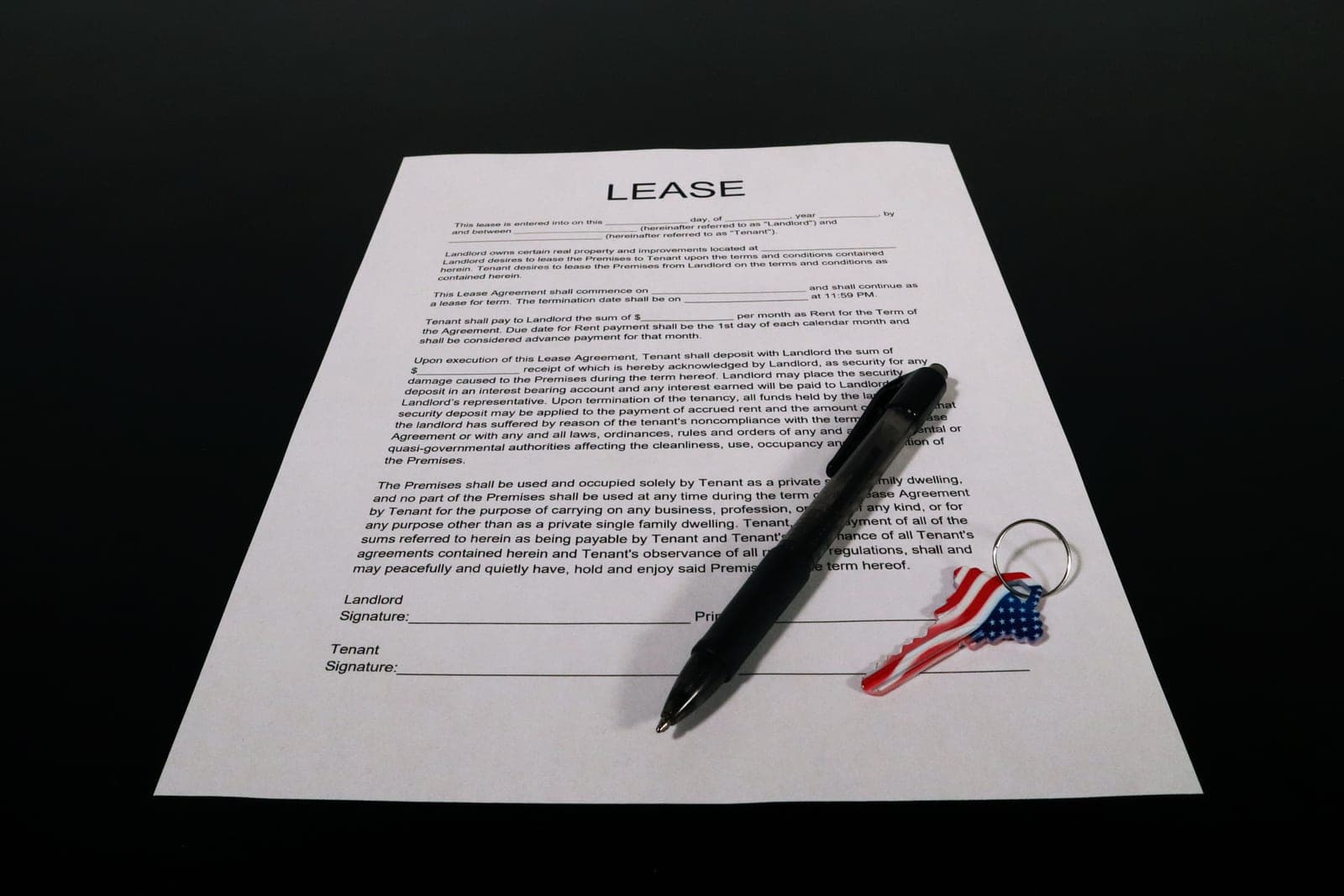
Top pick: Lectron Portable Level 1 J1772 Charger (15A, NEMA 5-15)
Guide
What renters are actually entitled to ask for
An honest read of right-to-charge law for tenants — what it covers, what it does not, and where the real leverage is.

Guide
How to charge an EV in an apartment complex
The ordered playbook for apartment charging: survey the property, find reachable power, and make the ask that gets a yes.
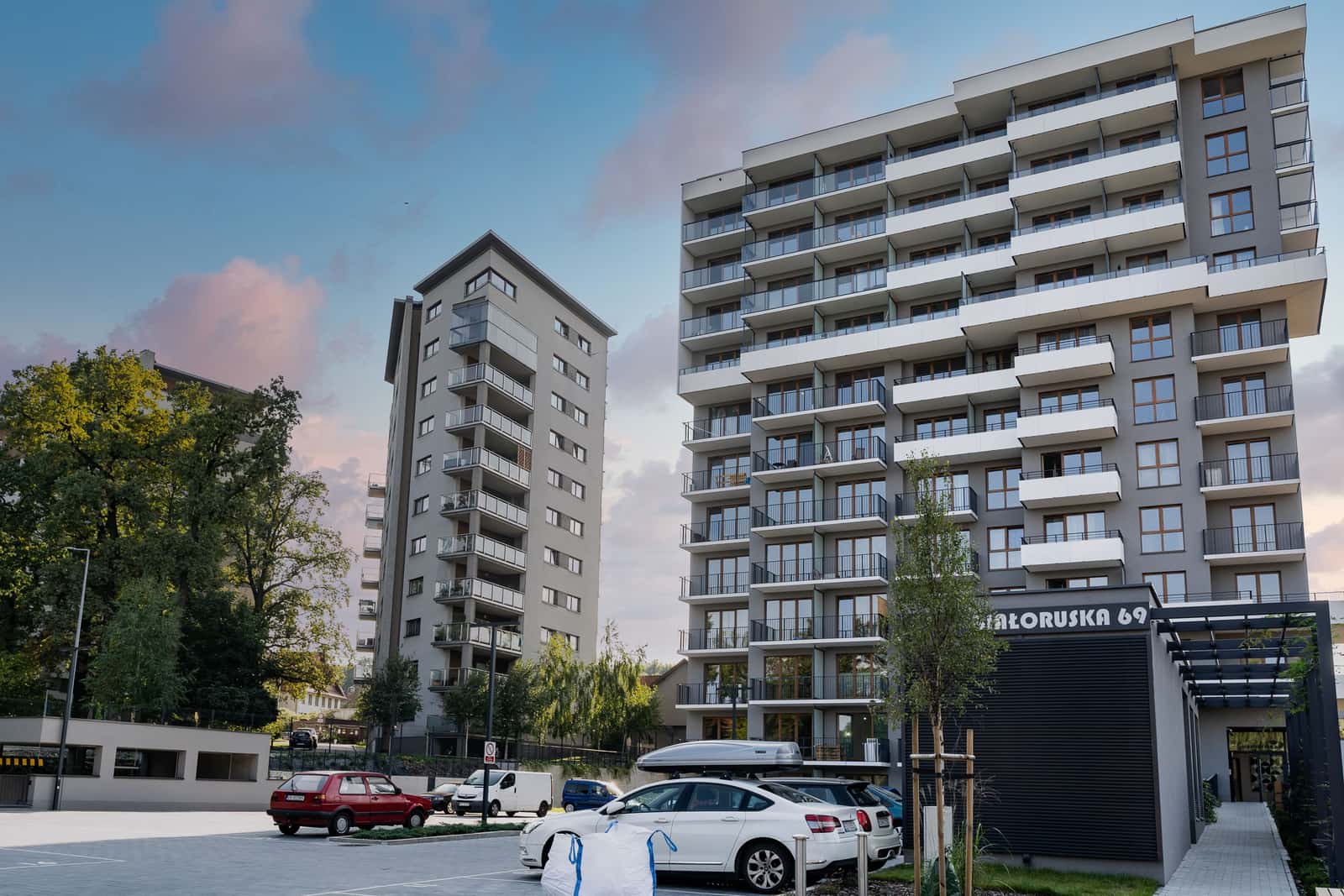
Top pick: Lectron Tesla (NACS) to J1772 Adapter, 48A
Guide
EV charging in a condo or HOA building
What a condo owner can do alone, what needs the board, and why the deeded-space distinction changes the whole conversation.
Top pick: Grizzl-E Mini Connect Portable Charger
Guide
Charging from a shared laundry room
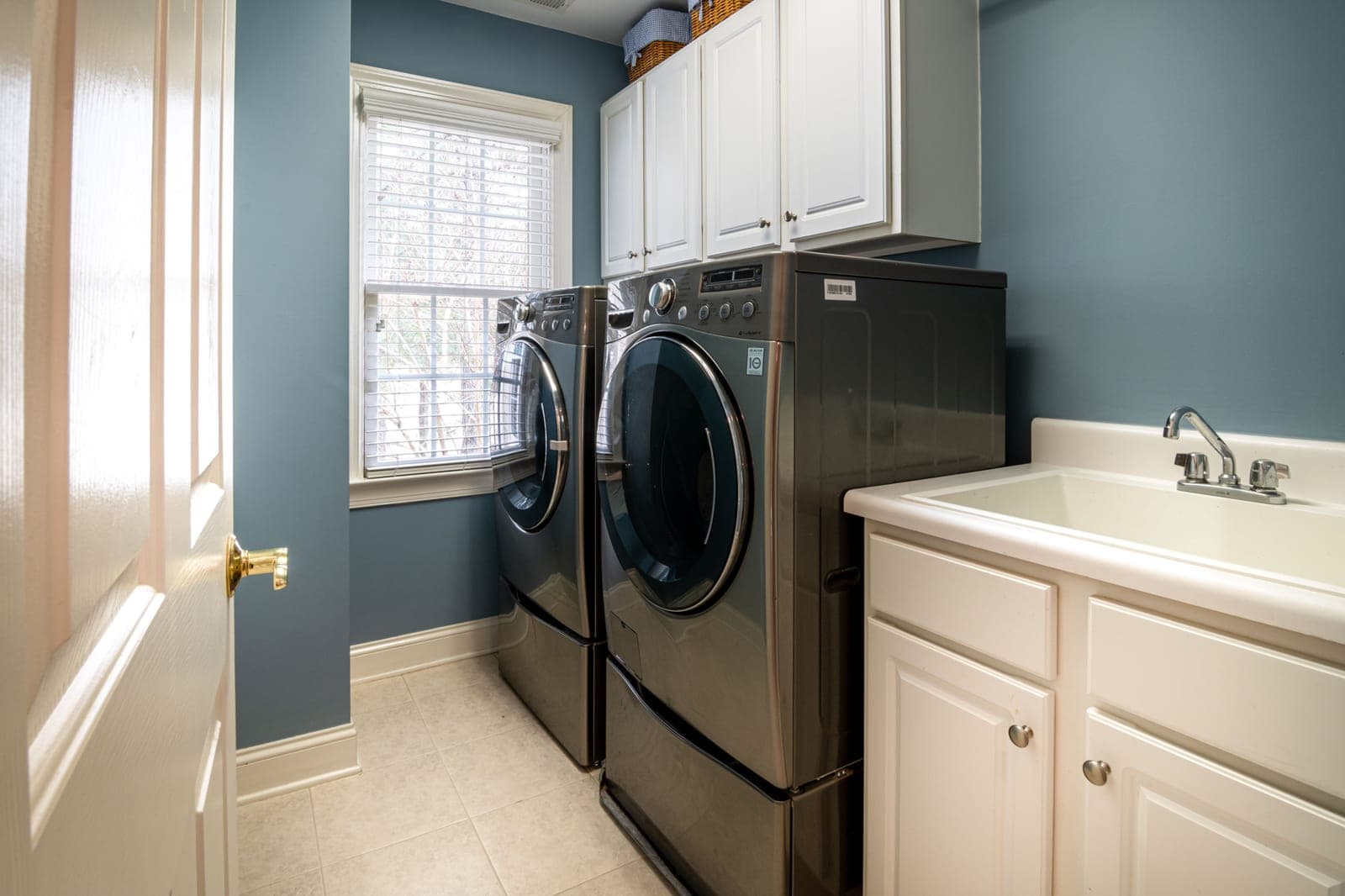
How to use a shared laundry circuit for EV charging: the hardware, the conversation, and the etiquette that stops it being withdrawn.
Top pick: NeoCharge Smart Splitter (NEMA 14-30)