Charging from an outlet you already have
Rental buildings are full of 240V circuits nobody thinks of as charging infrastructure. The laundry room is the one people miss.
How this page is funded: the buy links below are affiliate links, and Renter Volt earns a commission on qualifying purchases at no cost to you. Nothing here was supplied by a manufacturer, and commission plays no part in the ranking — read the full disclosure. Picks are chosen from published specifications rather than hands-on testing; the method is written down so you can check it. Prices last verified October 27, 2026.
The fastest charging most renters can get already exists in their building, and it is usually behind the dryer. A dryer outlet is 240V. So is a range outlet, and so is the RV receptacle on the side of a lot of older properties. None of them needs an electrician to use, because a plug-in charger is an appliance and not an installation.
This is the least-covered part of the whole subject. Search for dryer-outlet EV charging and most of what comes back is a vendor describing its own product, because independent coverage barely exists. So this section is the neutral version: what each outlet gives you, what sharing one safely requires, and where the genuine caveats are.
The four outlets that matter
| Outlet | Circuit | Continuous EV current | Real-world power |
|---|---|---|---|
| NEMA 14-50 | 50A, four-wire | 40A | 9.6 kW — about 30 miles per hour |
| NEMA 14-30 | 30A, four-wire | 24A | 5.8 kW — about 18 miles per hour |
| NEMA 10-30 | 30A, three-wire | 24A | 5.8 kW — with a grounding caveat |
| NEMA 6-50 | 50A, no neutral | 40A | 9.6 kW — common on welder circuits |
Look at the last column rather than the second. Every row already replaces more range overnight than most people drive in a day, and the difference between the top and bottom rows is far less consequential than having any of them at all.
Sharing an outlet, which is the usual case
In a rental, the 240V outlet you can reach is nearly always already doing a job. That is what an automatic splitter is for: a listed device that plugs into the existing receptacle, provides two sockets, and guarantees that only one of them draws power at a time. The dryer keeps priority; the car charges when the dryer finishes.
This is not a Y-adapter. A passive splitter would let both loads draw at once, which on a 30 amp circuit trips a breaker at best. The devices worth buying carry their own breaker and do the switching in hardware — the splitter review compares the two that do it properly.
Quick picks
Ranked, with the reasoning underneath. Tap any row to jump to that write-up; tap the price to check it on Amazon. Prices come from the live layer, never from this page.
| # | Product | Best for | Type | Price |
|---|---|---|---|---|
| 1 | 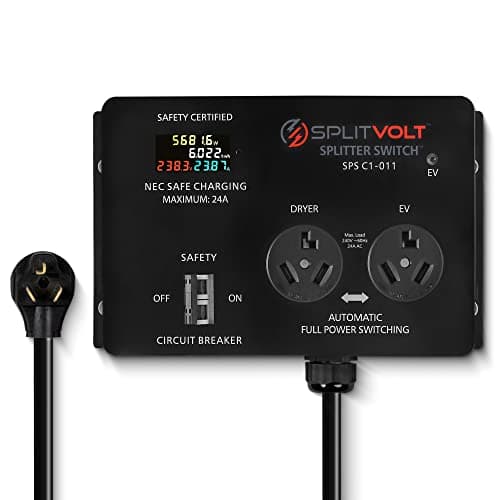 Splitvolt Splitter Switch (NEMA 10-30, 240V, 24A)The one device that makes a shared older dryer outlet a legitimate EV circuit — it switches automatically and carries its own breaker. Splitvolt Splitter Switch (NEMA 10-30, 240V, 24A)The one device that makes a shared older dryer outlet a legitimate EV circuit — it switches automatically and carries its own breaker. | An older 3-prong dryer outlet | Automatic 240V splitter | |
| 2 | 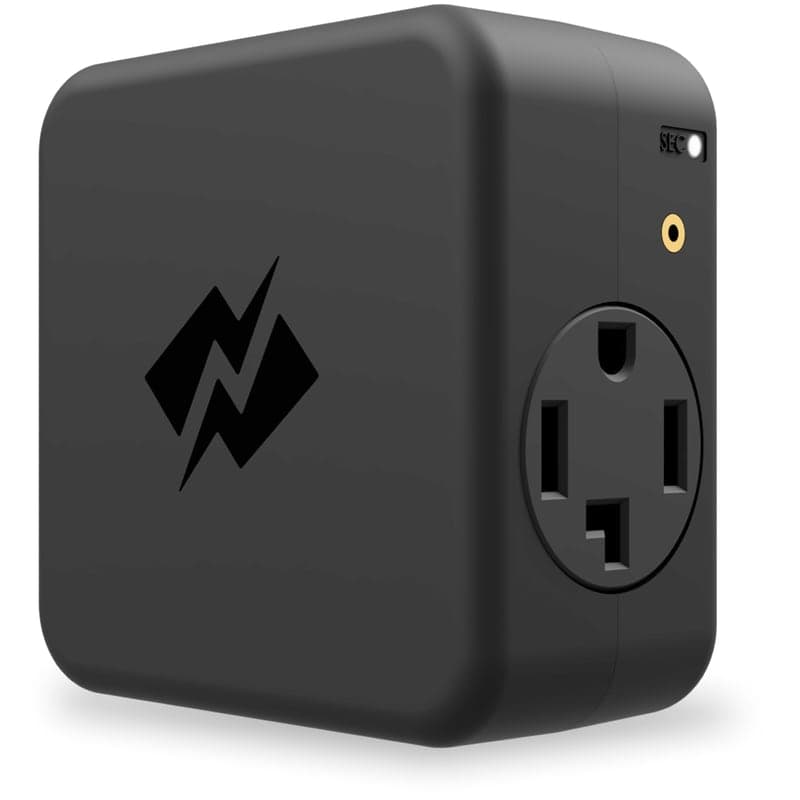 NeoCharge Smart Splitter (NEMA 14-30)The four-prong equivalent: it shares a modern dryer circuit, prioritizes the dryer, and switches to the car when the laundry finishes. NeoCharge Smart Splitter (NEMA 14-30)The four-prong equivalent: it shares a modern dryer circuit, prioritizes the dryer, and switches to the car when the laundry finishes. | A modern 4-prong dryer outlet | Automatic 240V splitter | Check price#ad |
| 3 | 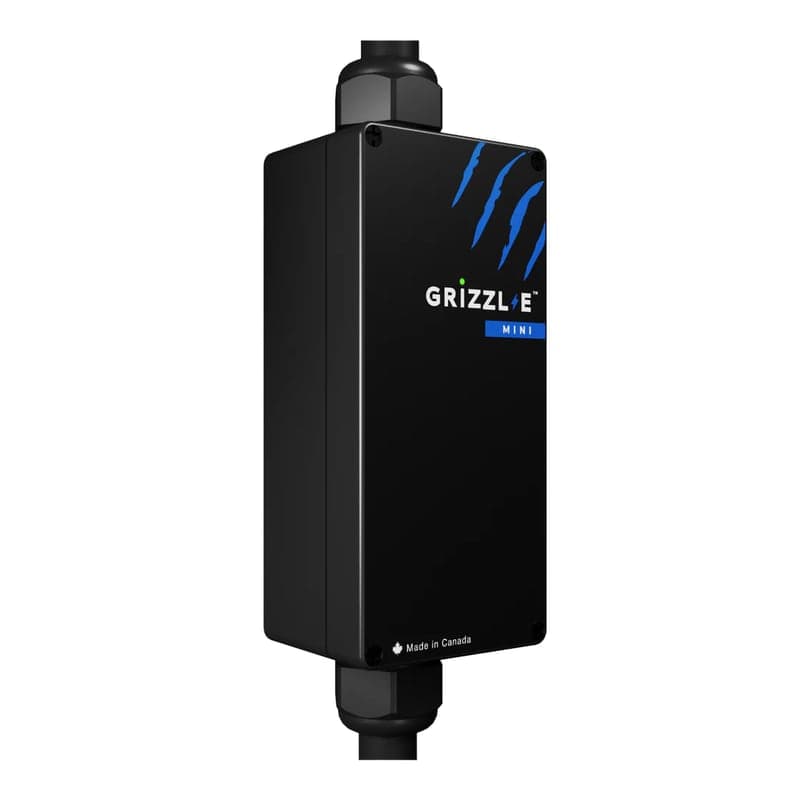 Grizzl-E Mini Connect Portable ChargerAdjustable from 7 to 40 amps and shipped with four plug adapters, which is the closest thing to a unit that fits whatever outlet you turn out to have. Grizzl-E Mini Connect Portable ChargerAdjustable from 7 to 40 amps and shipped with four plug adapters, which is the closest thing to a unit that fits whatever outlet you turn out to have. | Not knowing your outlet yet | Adjustable Level 1 and 2 EVSE | Check price#ad |
| 4 | 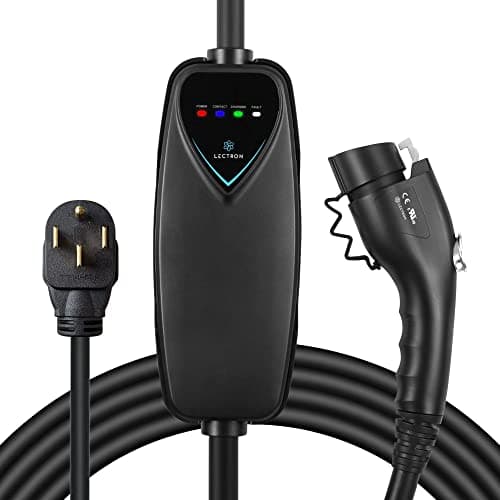 Lectron Portable Level 2 J1772 Charger (40A, NEMA 14-50)The plainest answer to a NEMA 14-50 outlet you can reach: 40 amps, a plug on the end, and nothing screwed to a wall you do not own. Lectron Portable Level 2 J1772 Charger (40A, NEMA 14-50)The plainest answer to a NEMA 14-50 outlet you can reach: 40 amps, a plug on the end, and nothing screwed to a wall you do not own. | A reachable 14-50 outlet | Plug-in Level 2 EVSE |
#1 · An older 3-prong dryer outlet
Splitvolt Splitter Switch (NEMA 10-30, 240V, 24A)
The one device that makes a shared older dryer outlet a legitimate EV circuit — it switches automatically and carries its own breaker.
| Input plug | NEMA 10-30 malesource |
|---|---|
| Output sockets | Two NEMA 10-30 female outlets — one for the dryer, one for the EV chargersource |
| Rating | 240V ~ 60Hz, 24A AC maximum loadsource |
| Protection | Integrated 24A circuit breaker with easy resetsource |
| Switching | Automated power switching between the dryer and EV power socketssource |
| Certification | Conforms to UL 60730-1, certified to CSA E60730-1, cETLus listed Intertek 5021938source |
| Installation | No electrical installation required — plug and playsource |
What those numbers mean
24A is the number to design around, and it is not the manufacturer being cautious. A 30 amp circuit supports 24 amps of continuous load under the 80% rule, and continuous is exactly what EV charging is.
Automatic switching is what makes this a device rather than a Y-splitter. Both loads on one 30 amp circuit at once would trip the breaker at best; the switch guarantees only one draws at a time.
The integrated 24A breaker is the part that earns the trust. It means the splitter protects the circuit itself instead of relying only on a panel breaker you cannot see and wiring you cannot inspect.
What it does well
- Plugs in — genuinely no electrician, no permit, no landlord construction
- Its own 24A breaker rather than trusting the panel alone
- cETLus listed with the Intertek file number published
- Automatic switching, so the dryer keeps priority without anybody replugging anything
What it does not
- 24A caps charging at roughly 5.7 kW, well below a NEMA 14-50's ceiling
- NEMA 10-30 is an ungrounded three-wire configuration, which is a real caveat rather than a formality
- Only useful if you can physically reach the laundry outlet from the car
Skip this one if: Your dryer outlet is the modern four-prong NEMA 14-30. Buy the four-prong splitter instead — this one will not fit, and forcing the fit is exactly the wrong instinct.
#ad · how this is funded · price as of October 27, 2026
#2 · A modern 4-prong dryer outlet
NeoCharge Smart Splitter (NEMA 14-30)
The four-prong equivalent: it shares a modern dryer circuit, prioritizes the dryer, and switches to the car when the laundry finishes.
| Outlet type | Plugs into an existing four-prong 220/240V NEMA 14-30 dryer outletsource |
|---|---|
| EV current limit | The EV or charger must be set to 24 amps or less when sharing with a dryersource |
| Switching | Auto-switching prioritizes the dryer and switches to EV charging when it finishessource |
| Certification | UL safety certified and NEC compliantsource |
| Installation | No electrician needed — plug and playsource |
What those numbers mean
NEMA 14-30 is the four-prong dryer outlet standard in homes built after the mid-1990s, so which splitter you need is really a question about the age of the building.
The 24 amp ceiling is the same arithmetic as the three-prong version, for the same reason: 30 amp circuit, 80% continuous rule.
Dryer priority is the right default for a shared household. A dryer cycle is an hour; a charging session has all night to finish.
What it does well
- Works with the grounded four-prong outlet, which is the safer configuration to begin with
- UL safety certified
- Auto-switching, so nobody has to remember to unplug anything
What it does not
- Same 24A ceiling as any 30 amp circuit sharing arrangement
- Wrong device for a three-prong NEMA 10-30 outlet
Skip this one if: Your building predates the four-prong standard and the laundry outlet has three prongs. That is a NEMA 10-30 and needs the three-prong splitter instead.
#ad · how this is funded · price as of October 27, 2026
#3 · Not knowing your outlet yet
Grizzl-E Mini Connect Portable Charger
Adjustable from 7 to 40 amps and shipped with four plug adapters, which is the closest thing to a unit that fits whatever outlet you turn out to have.
| Adjustable current | 7A to 40A (9.6 kW maximum)source |
|---|---|
| Voltage | Automatically detects 120V (Level 1) or 240V (Level 2)source |
| Cable length | 25 ft (7.6 m)source |
| Plug and adapters | NEMA 14-50 plug plus four included electrical adapterssource |
| Connector | J1772 or Tesla (NACS) versionssource |
| Enclosure | UL Type 4 / IP67 ratedsource |
| Certification | UL tested and certified, Energy Star certifiedsource |
What those numbers mean
The adjustable current is the feature that matters to a renter, and it is not a convenience. A 30 amp dryer circuit legally supports 24 amps of continuous EV load; a unit that can be set to 24 amps can use that circuit, and a fixed 40 amp unit cannot.
25 ft of cable is nine feet more than the common 16 ft, and nine feet is frequently the difference between reaching the car and not.
IP67 and a UL Type 4 enclosure describe the unit's own weather tolerance. They say nothing about the outlet it plugs into, which is usually the part that is not weather-rated.
What it does well
- 7-40A adjustment means one unit fits a 15, 20, 30 or 50 amp circuit
- 25 ft cable is among the longest on a portable unit
- Four plug adapters included, so an outlet change does not mean a new charger
- Available with either a J1772 or a NACS connector
What it does not
- Costs meaningfully more than a fixed-amperage unit that does one job
- The bundled adapters make it easy to plug into a circuit you have not actually checked
Skip this one if: You know exactly which outlet you have, it is not changing, and you would rather put the money into a longer cable than into adjustability you will set once and never touch.
#ad · how this is funded · price as of October 27, 2026
#4 · A reachable 14-50 outlet
Lectron Portable Level 2 J1772 Charger (40A, NEMA 14-50)
The plainest answer to a NEMA 14-50 outlet you can reach: 40 amps, a plug on the end, and nothing screwed to a wall you do not own.
| Input | 240V, 40A maximumsource |
|---|---|
| Output power | Up to 9.6 kWsource |
| Cable length | 16 ftsource |
| Plug / connector | NEMA 14-50 plug, J1772 connectorsource |
| Certification | UL 2594 / UL 2231 certifiedsource |
| Manufacturer charge-rate claim | Roughly 30 miles of range per hour of chargingsource |
What those numbers mean
9.6 kW is the ceiling this unit can deliver, not what your car will take. A vehicle with a 7.2 kW onboard charger draws 7.2 kW from it and no more, and that is a car limitation no charger fixes.
The 16 ft cable is the number to check before anything else. Measure from the outlet to where your charge port sits when the car is parked as it will actually be parked, not as you would like to park it. Sixteen feet disappears faster than people expect once it has to route around a wall.
A 40 amp unit needs a 50 amp circuit behind the outlet to run at 40 amps continuously. If the outlet is on a smaller breaker, the answer is a lower-amperage charger, not this one turned down.
What it does well
- Plugs in and unplugs — it leaves with you at the end of the lease
- UL 2594 and UL 2231 certified, the two standards that matter for EVSE
- 40 amps covers the fastest charging any renter-reachable outlet realistically supports
What it does not
- 16 ft of cable is short for a parking space that is not directly beside the outlet
- No amperage adjustment, so it is the wrong unit for a 30 amp circuit
Skip this one if: Your only 240V outlet is a 30 amp dryer receptacle. This unit expects a 50 amp circuit behind a NEMA 14-50, and derating it is not an option it offers.
#ad · how this is funded · price as of October 27, 2026
The 24 amp number, and why it is not a compromise
A 30 amp circuit supports 24 amps of continuous load, from the 80% continuous-load rule. Every 30 amp sharing arrangement lands on that number, and it is worth internalizing rather than resenting: 24 amps at 240V returns roughly 170 to 200 miles over a twelve-hour night. Very few people need more from an overnight charge.
It does mean your charger must be able to be set to 24 amps. A fixed 40 amp unit cannot use a dryer circuit at all, which is why adjustability matters more than peak rating for this audience.
Before you plug anything in
- Identify the outlet properly. Three prongs and four prongs need different equipment.
- Find the breaker rating if you can, and use the smaller assumption if you cannot.
- Check that the receptacle is sound — a plug that fits loosely is a bad candidate for eight hours of continuous current.
- Work out whether you can physically reach the car from it. This defeats more laundry-room plans than anything electrical.
- If it is shared, talk to whoever shares it. The shared laundry room page covers the etiquette as well as the hardware.
Questions people actually ask
Can I charge my EV from a dryer outlet?
Yes. A dryer outlet is 240V, and a plug-in charger uses it with no installation. If the dryer still needs the circuit, an automatic splitter shares it safely at up to 24 amps and switches between the two loads in hardware.
How fast is dryer-outlet charging?
About 5.8 kW at 24 amps, which is roughly 18 miles of range per hour, or 170-200 miles over a twelve-hour night. That covers a normal day comfortably for almost everyone.
Do I need an electrician to use an existing 240V outlet?
No. A charger that ends in a NEMA plug is an appliance. An electrician is needed only when a suitable outlet does not exist and one has to be added.
Is a Y-splitter the same as a splitter switch?
No, and the difference matters. A passive Y-adapter lets both loads draw at once, which a 30 amp circuit cannot support. A splitter switch has its own breaker and switches automatically so only one device draws at a time.
Sources
Every figure on this page traces to one of these. If a number here disagrees with the manufacturer, the manufacturer is right and we want to know — tell us.
Read next
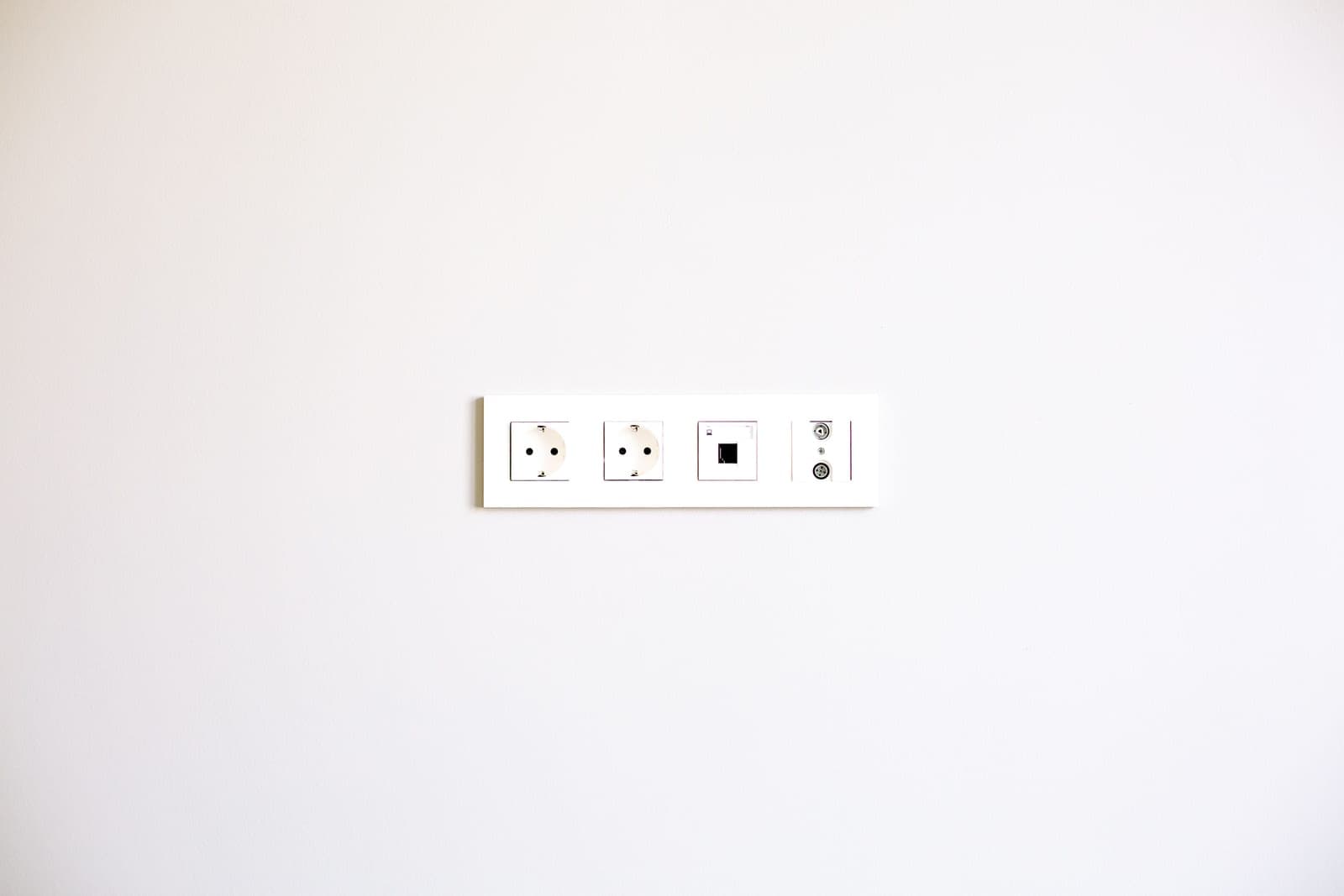
Guide
Identify your outlet in about a minute
A visual identification method for the NEMA outlets that matter, plus the two lookalike pairs that cause the wrong purchase.
Top pick: Grizzl-E Mini Connect Portable Charger

Guide
NEMA 14-50: the best outlet you can find
What a NEMA 14-50 gives you, where they turn up in rentals, and the checks worth doing before an eight-hour session.
Top pick: Lectron Portable Level 2 J1772 Charger (40A, NEMA 14-50)

Guide
NEMA 14-30: the modern dryer outlet
How to use a four-prong dryer circuit for EV charging, what the 24 amp limit returns overnight, and the sharing device that makes it work.
Top pick: NeoCharge Smart Splitter (NEMA 14-30)
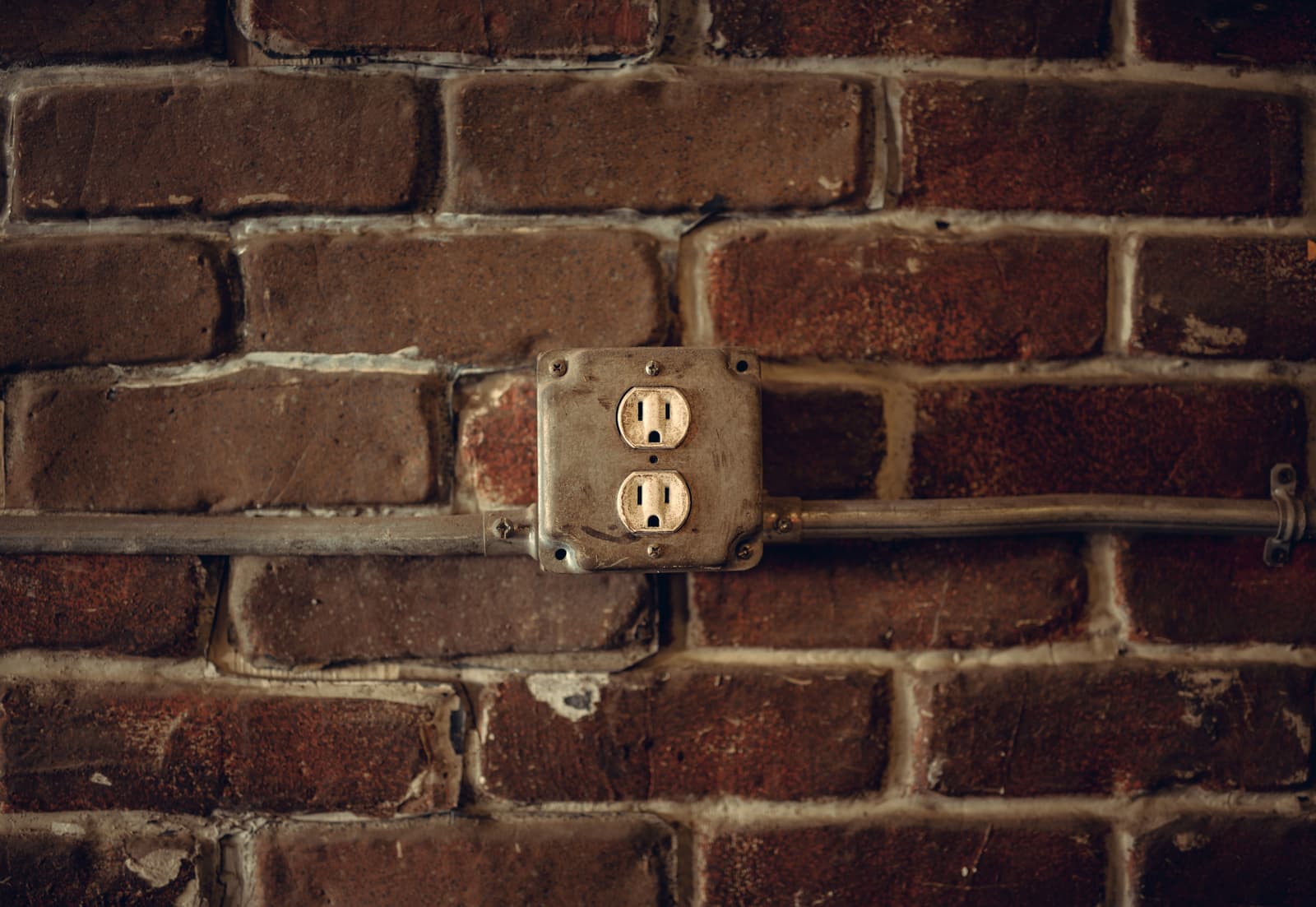
Guide
NEMA 10-30 charging in older buildings
The three-prong dryer outlet examined properly — what the shared neutral-ground means, why it still works, and the equipment to use.
Top pick: Splitvolt Splitter Switch (NEMA 10-30, 240V, 24A)
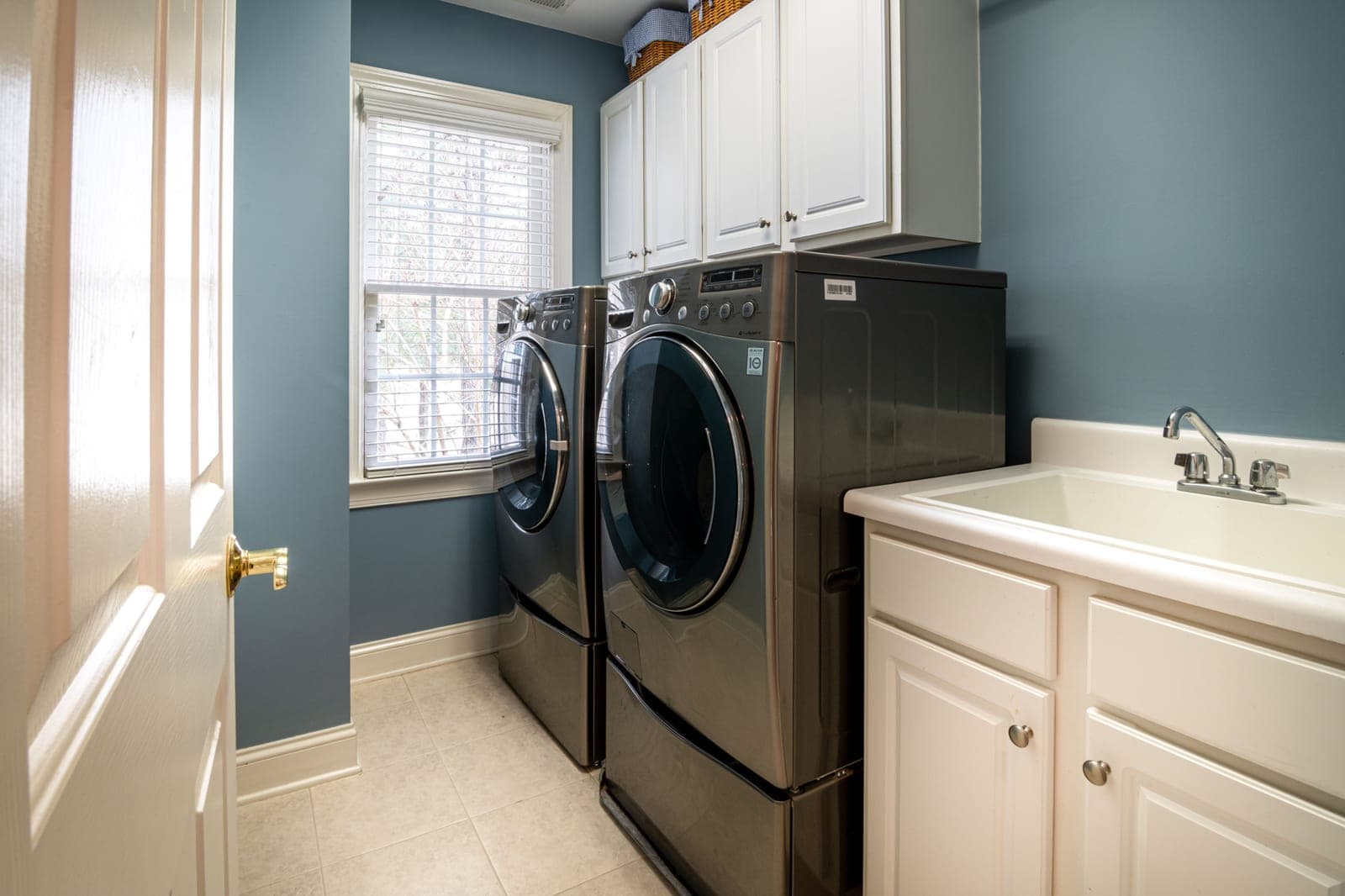
Best Dryer Splitter
The dryer outlet splitter, reviewed
An independent look at automatic 240V splitters: certifications, the built-in breaker, and how they differ from a passive Y-adapter.
Top pick: Splitvolt Splitter Switch (NEMA 10-30, 240V, 24A)
Guide
Charging from a shared laundry room
How to use a shared laundry circuit for EV charging: the hardware, the conversation, and the etiquette that stops it being withdrawn.
Top pick: NeoCharge Smart Splitter (NEMA 14-30)