What renters are actually entitled to ask for
Right-to-charge laws exist. They mostly do not cover renters, and the ones that do are narrower than the headlines suggest.
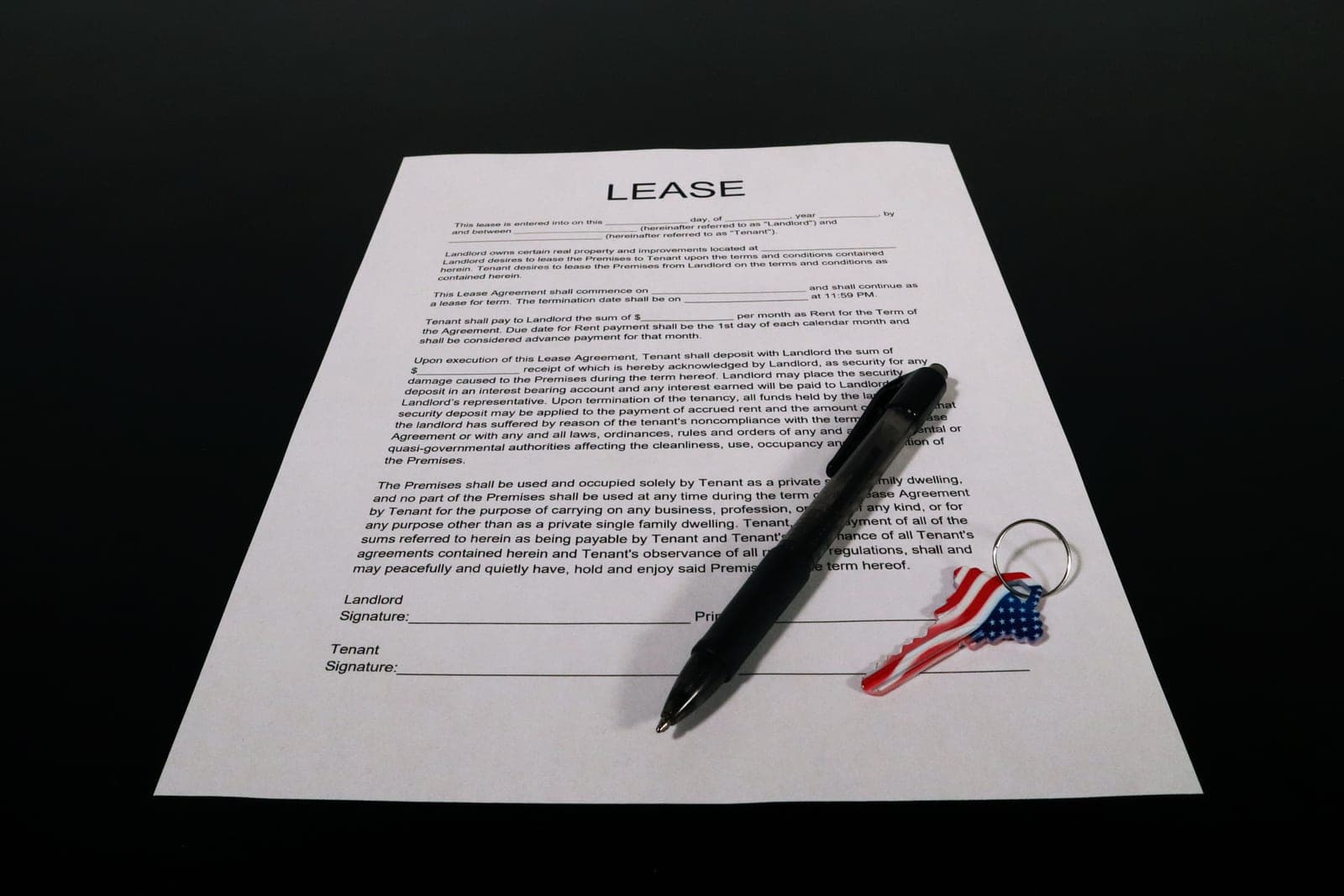
Nothing to buy on this page: This is a tenant-rights page. Nothing on it is solved by a purchase, and attaching product picks to a page about legal entitlements would be a tenuous connection that cheapens the advice.
Most US right-to-charge statutes protect condo and homeowners-association owners, not tenants. That is the sentence usually missing from articles on this topic, and it matters: a renter who walks into a leasing office citing a right they do not have has spent their credibility for nothing.
This page is deliberately conservative. We are not lawyers, we do not give legal advice, and statute in this area changes frequently enough that any specific claim ages badly. What follows is the shape of the landscape and where to check the current text yourself.
What right-to-charge laws generally do
- They limit prohibitions rather than compel installation. The typical statute says an association may not unreasonably refuse an owner installing charging at their own expense. It does not require anybody to build anything.
- They usually attach to ownership. Deeded or exclusive-use parking is the common trigger, which is why condo owners are covered far more often than tenants.
- They allow reasonable conditions. Insurance, licensed installation, restoration, aesthetic standards and cost-bearing are all normally permitted conditions, and they are how a technically-permitted installation still ends up expensive.
- A minority of states extend something to rental tenants, generally narrower — often limited to the tenant's own exclusive space, at the tenant's cost, with the landlord able to require removal at the end of the tenancy.
Where a renter's real leverage is
In practice, tenants get charging through negotiation rather than statute, and the negotiating position is stronger than most people assume. Three things do the work:
- You are asking for something small. Permission to use an existing outlet is not a construction request. Framed correctly it costs the building nothing, and it is revocable.
- You can remove the cost objection entirely. Offering to pay for the electricity — metered, submetered or a flat monthly amount — removes the objection that is usually doing the real work behind a no.
- Vacancy is an argument. Buildings in competitive rental markets are increasingly aware that charging is a renewal factor. A polite mention that it affects your renewal decision is legitimate and is not a threat.
What a landlord can reasonably refuse
It is worth being clear about this, because an unreasonable ask makes the reasonable ones harder for the next tenant.
- New wiring through common areas — a real cost, a real permit and real liability.
- Anything that overloads the building's service. This is a genuine engineering constraint, not an excuse. Condo and HOA charging covers why proposing lower amperage is the move here.
- Cable routes across paths where people walk. Nobody is going to defend that, and neither will we.
- Unlisted or improvised equipment. A UL-listed plug-in charger is a completely different conversation from a homemade adapter, and it is worth being able to say which one you own.
What to put in writing
Whatever is agreed, get it written down — not because anybody is expected to behave badly, but because leasing office staff turn over and the agreement should outlive the person who made it. One paragraph in an email, confirmed in reply, is enough. We wrote a template you can send that is specific enough to be answerable and short enough to be read.
If you are moving anyway
The highest-leverage moment in this whole subject is before you sign. A prospective tenant asking about charging during a viewing is a customer question, not a maintenance request, and it gets a different answer. Ask what the building has, ask whether the laundry room outlet is available, and ask whether a plug-in charger in your assigned space would be permitted. Getting a yes at that point costs you nothing and is worth the whole lease.
Questions people actually ask
Do renters have a right to charge an EV?
In most US states, no explicit statutory right. Right-to-charge laws predominantly protect condo and HOA owners with deeded or exclusive-use parking. A minority of states extend narrower provisions to tenants. Check the Department of Energy's state laws database for your current state text.
Can a landlord stop me using an ordinary outlet to charge?
A landlord can set reasonable conditions on the use of building electricity, and if the outlet is on a common meter the cost objection is legitimate. Offering to pay for the electricity removes most of the objection, which is why that offer should come before the request.
What is the best thing to ask a landlord for?
Permission to use one specific existing outlet, at your cost, with equipment that plugs in and is removable. It is a small, bounded, revocable request and it is answerable in a sentence.
Should I mention right-to-charge law to my landlord?
Only after checking that it applies to tenants in your state, and generally not as an opening move. Leverage works better held than waved, and a misapplied legal claim damages a negotiation that was otherwise going to succeed.
Sources
Every figure on this page traces to one of these. If a number here disagrees with the manufacturer, the manufacturer is right and we want to know — tell us.
Read next

Start here
You don't have a garage. Here's what actually works.
The pillar guide: what charging looks like when there is no garage, no driveway and no landlord willing to run a new circuit.
Top pick: Lectron Portable Level 1 J1772 Charger (15A, NEMA 5-15)

Guide
The letter to send your landlord
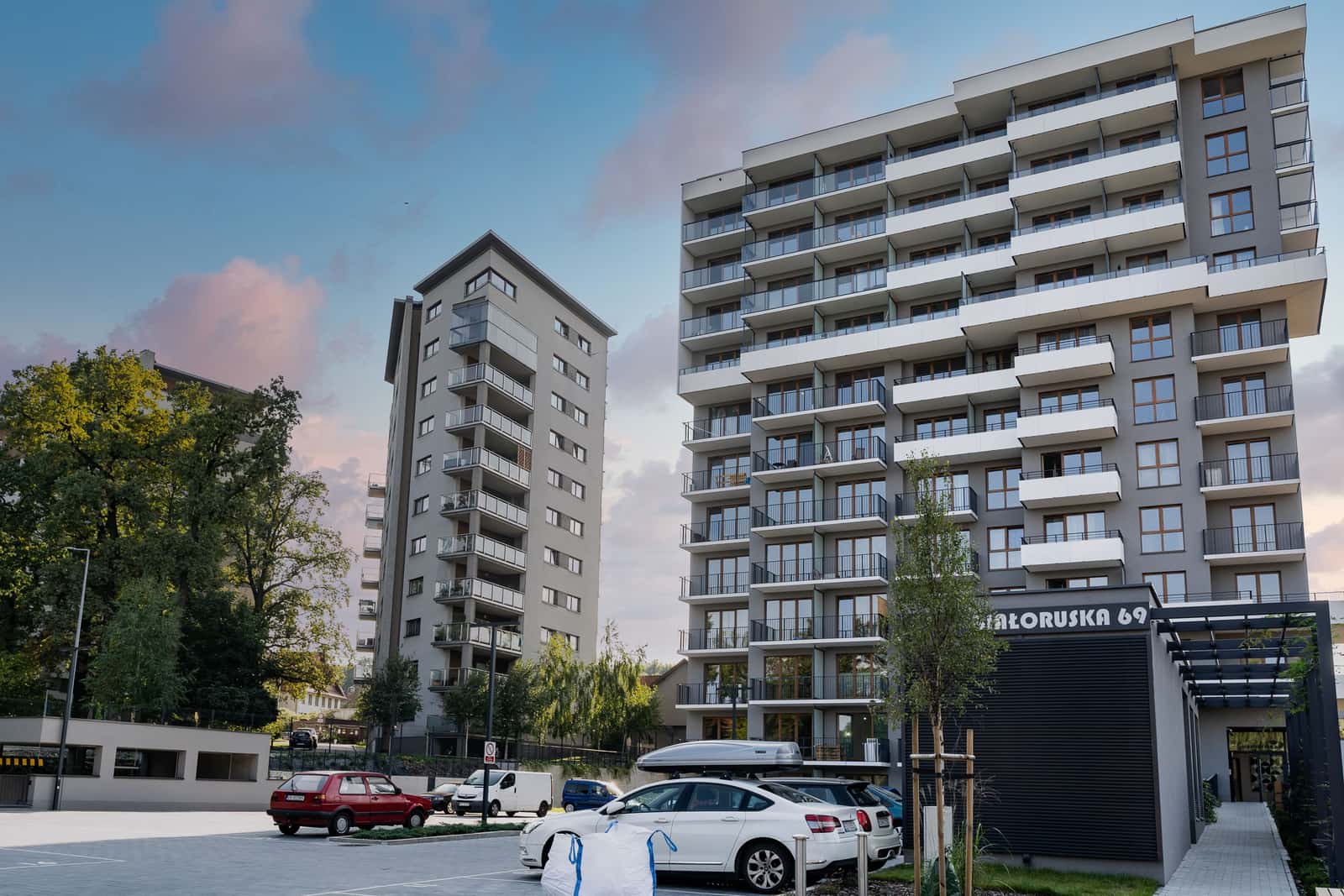
A ready-to-send request letter for building managers, plus the reasoning behind every line in it and the three variants that fit different asks.
Guide
EV charging in a condo or HOA building
What a condo owner can do alone, what needs the board, and why the deeded-space distinction changes the whole conversation.
Top pick: Grizzl-E Mini Connect Portable Charger
Guide
How to charge an EV in an apartment complex
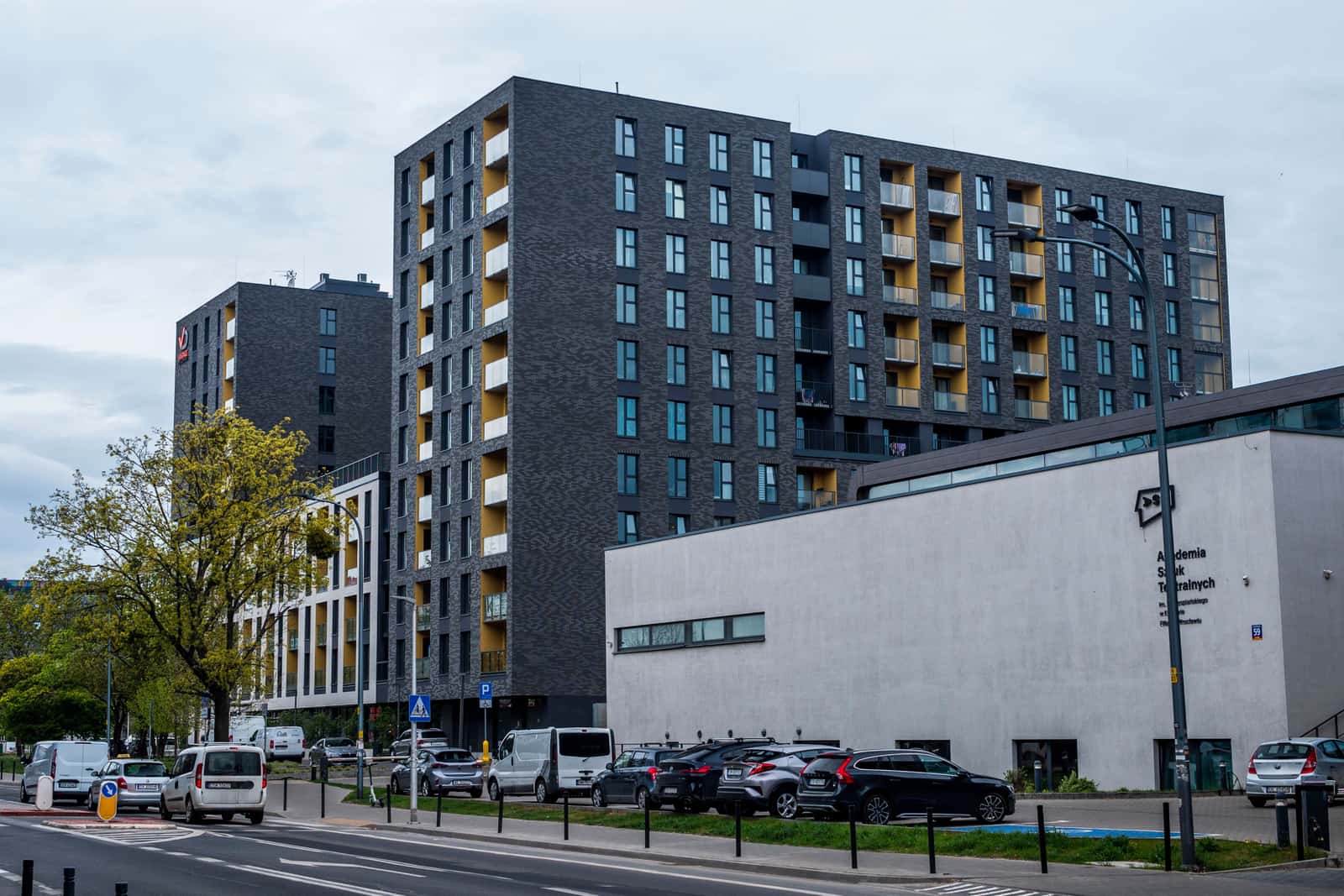
The ordered playbook for apartment charging: survey the property, find reachable power, and make the ask that gets a yes.
Top pick: Lectron Tesla (NACS) to J1772 Adapter, 48A