Learn
The fundamentals, the arithmetic, and the words. Written so you can re-run every calculation with your own numbers.

Nothing to buy on this page: This is the resource hub. Its job is to route readers to explainers, and the buying decisions live in the four product hubs it links to. A buy button on a section index for reference material would be an interruption rather than a service.
Most EV charging explainers are written for somebody deciding between wall units in a garage they own. This section is written for somebody working out whether an outlet in a carport is enough, which turns out to need different arithmetic and a different set of words.
Everything here shows its working. Where there is a formula, it is printed, so you can substitute your own utility rate, your own car and your own driving rather than accepting a number computed for an average that is not you.
Start with these three
- [Level 1 vs Level 2](/learn/level-1-vs-level-2) — the comparison that decides everything downstream, with the renter-viability column every other version of this table leaves out.
- [What it costs to charge](/learn/cost-to-charge) — the formula and a worked example, so you can price your own driving.
- [How long charging takes](/learn/how-long-does-charging-take) — the answer is usually "less time than the car is parked anyway," and here is why that reframes the whole question.
The thing most guides get backwards
They present charging speed as the primary variable, because for somebody installing a wall unit it is the main choice they get to make. For a renter it is almost entirely determined by the outlet, and the outlet is determined by the building. So the useful question is not "how fast can I charge" — it is "is what I can reach enough," and the answer is yes far more often than people expect.
| Level | Power | 12 hours parked returns | Enough for |
|---|---|---|---|
| Level 1 at 12A | About 1.4 kW | 40-50 miles | A typical daily commute |
| Level 2 at 24A | About 5.8 kW | 170-200 miles | Almost any single day of driving |
| Level 2 at 40A | About 9.6 kW | 290-340 miles | A full battery, most cars |
Read the third column against your own driving before you read anything else on this site. For a great many people the first row already answers the question, and the whole problem shrinks to owning one cable.
Reference and safety
- [Home versus public charging](/learn/home-vs-public) — the cost comparison, including where public charging genuinely costs more than gasoline.
- [Charging outdoors safely](/learn/charging-outdoors-safely) — what weather does and does not affect, without the hand-wringing.
- [Glossary](/learn/glossary) — every term on this site, in plain English, including the ones that mean two different things.
Where the buying decisions live
Not here. Once you know what you can reach, the product pages are organized by exactly that: portable chargers for the unit itself, adapters if the plug does not fit your car, cables and cords if it will not reach, and existing outlets if your 240V is already doing another job.
And if you have not worked out what you can reach yet, start at the pillar — that is what it is for.
Questions people actually ask
What is the difference between Level 1 and Level 2 charging?
Level 1 is 120V from an ordinary socket, roughly 1.4-1.8 kW. Level 2 is 240V, from about 5.8 kW on a shared 30 amp circuit up to 9.6 kW on a 50 amp one. Both are AC charging; the car's onboard charger does the conversion in each case. For a plug-in hybrid the smaller battery often makes Level 1 enough on its own — see the best chargers for a plug-in hybrid.
Do I need to understand any of this to charge an EV?
Not really. You need to know which outlet you can reach and set the charger to 80% of that circuit's breaker rating. Everything else here is for when you want to check somebody's claim or price your own driving.
Why do charging speed claims vary so much?
Because miles per hour depends on the car's efficiency as well as the charger's power, and efficiency moves with temperature, speed and driving style. That is why every formula on this site is printed rather than pre-computed.
Sources
Every figure on this page traces to one of these. If a number here disagrees with the manufacturer, the manufacturer is right and we want to know — tell us.
Read next
Guide
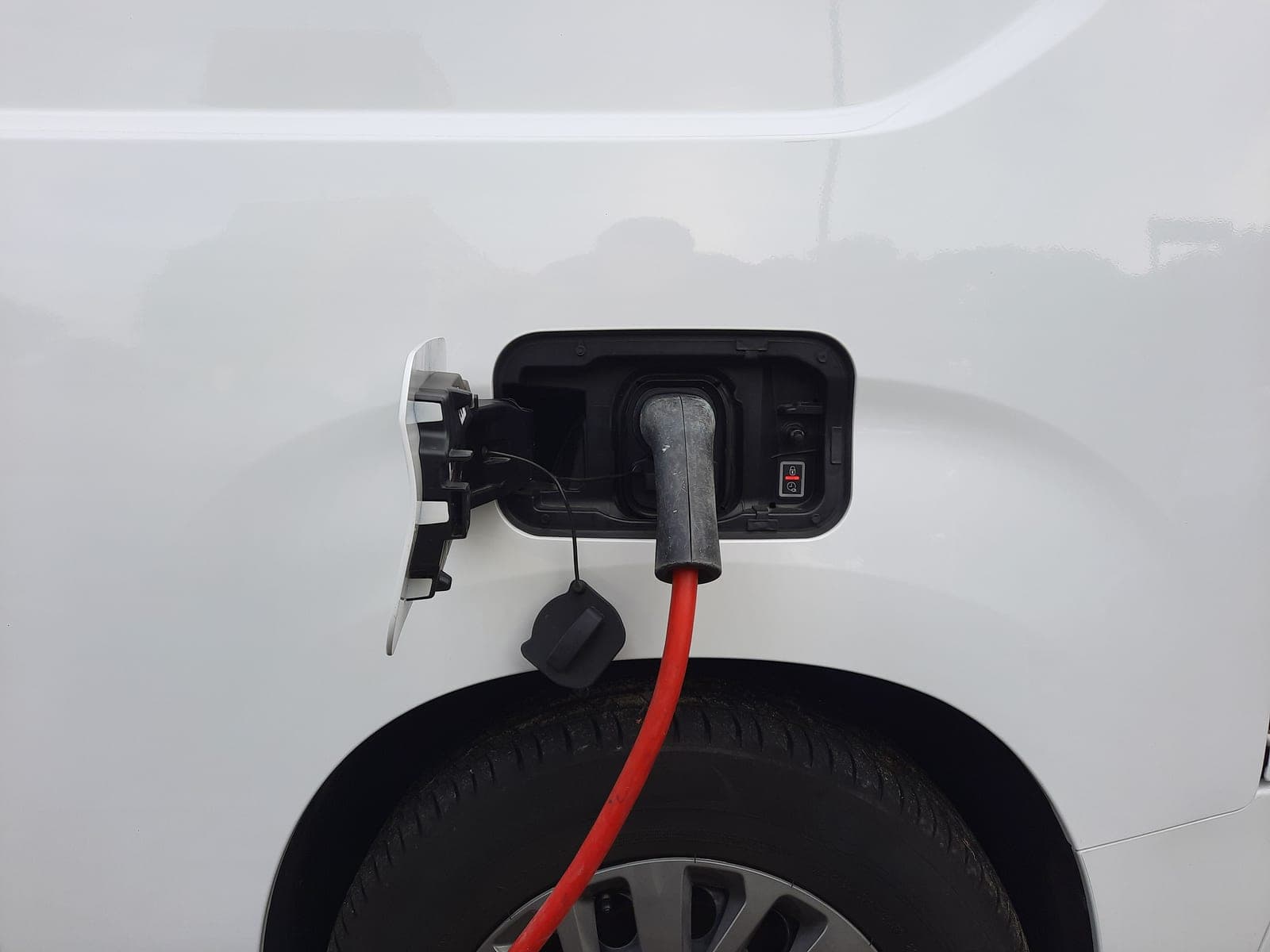
Level 1 vs Level 2, for someone without a garage
The charging-level comparison rewritten for renters, with a renter-viability column and an honest case for Level 1.
Top pick: Lectron Portable Level 1 J1772 Charger (15A, NEMA 5-15)

Guide
What it actually costs to charge
The cost arithmetic in full: cost per charge, cost per mile, and an honest comparison against gasoline using your own numbers.
Top pick: Lectron Portable Level 1 J1772 Charger (15A, NEMA 5-15)
Guide
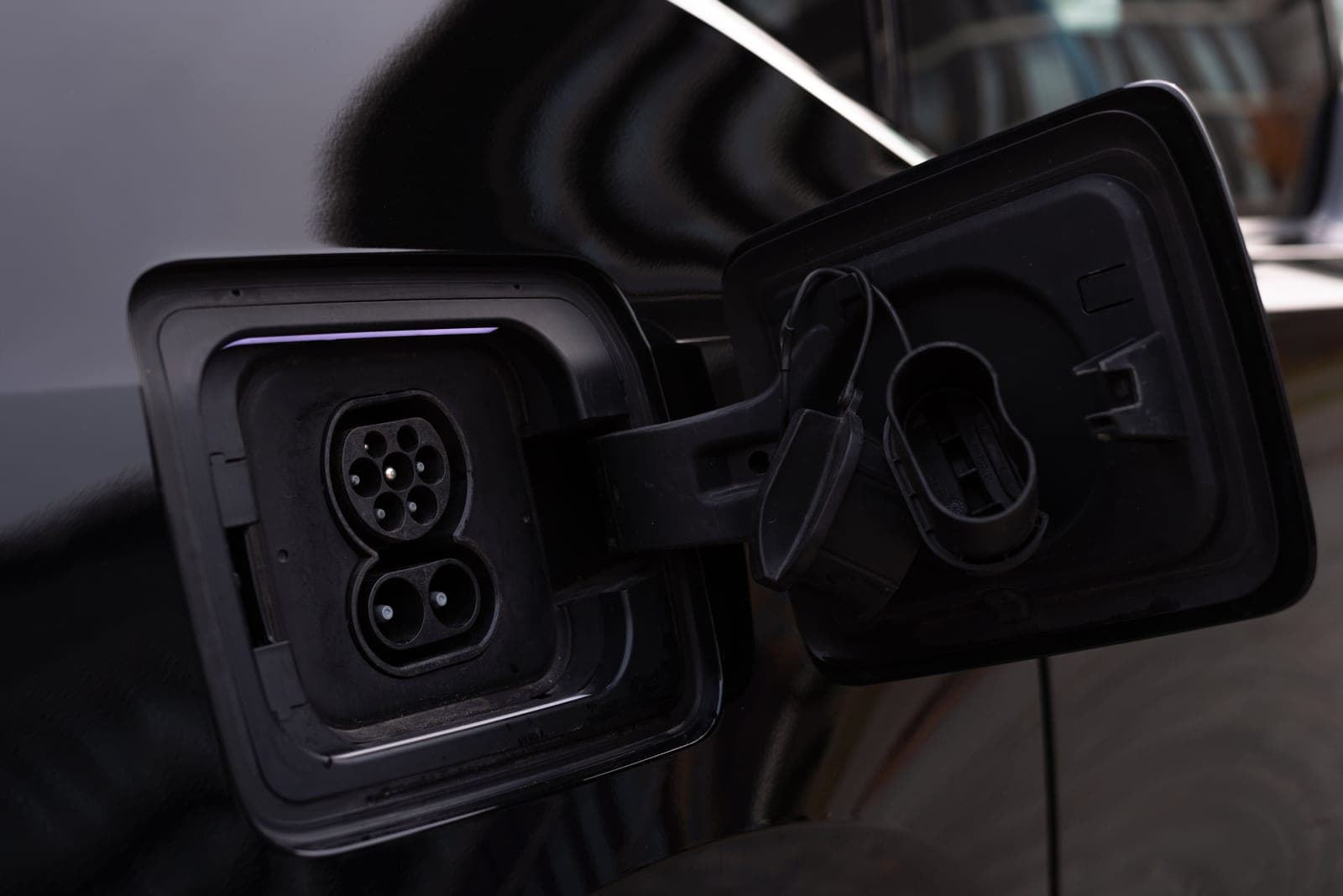
How long does charging actually take?
Charging times by outlet and battery size, and the reframe that makes slow charging a non-problem for anyone who parks overnight.
Top pick: Grizzl-E Mini Connect Portable Charger
Guide
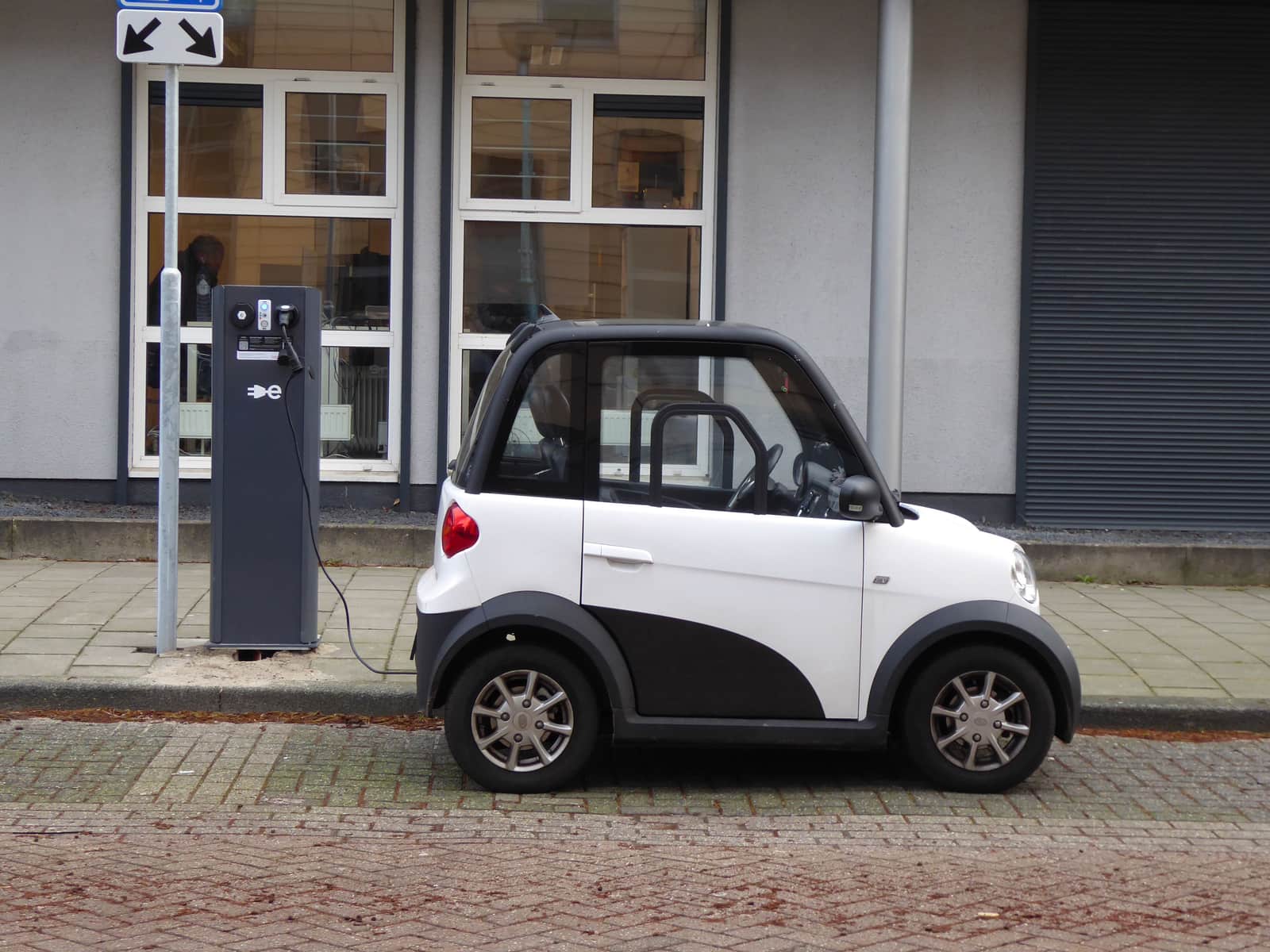
Home vs public charging
The home-versus-public cost comparison for renters, plus a workable routine for anyone with no home charging at all.
Top pick: Lectron Portable Level 1 J1772 Charger (15A, NEMA 5-15)
Guide
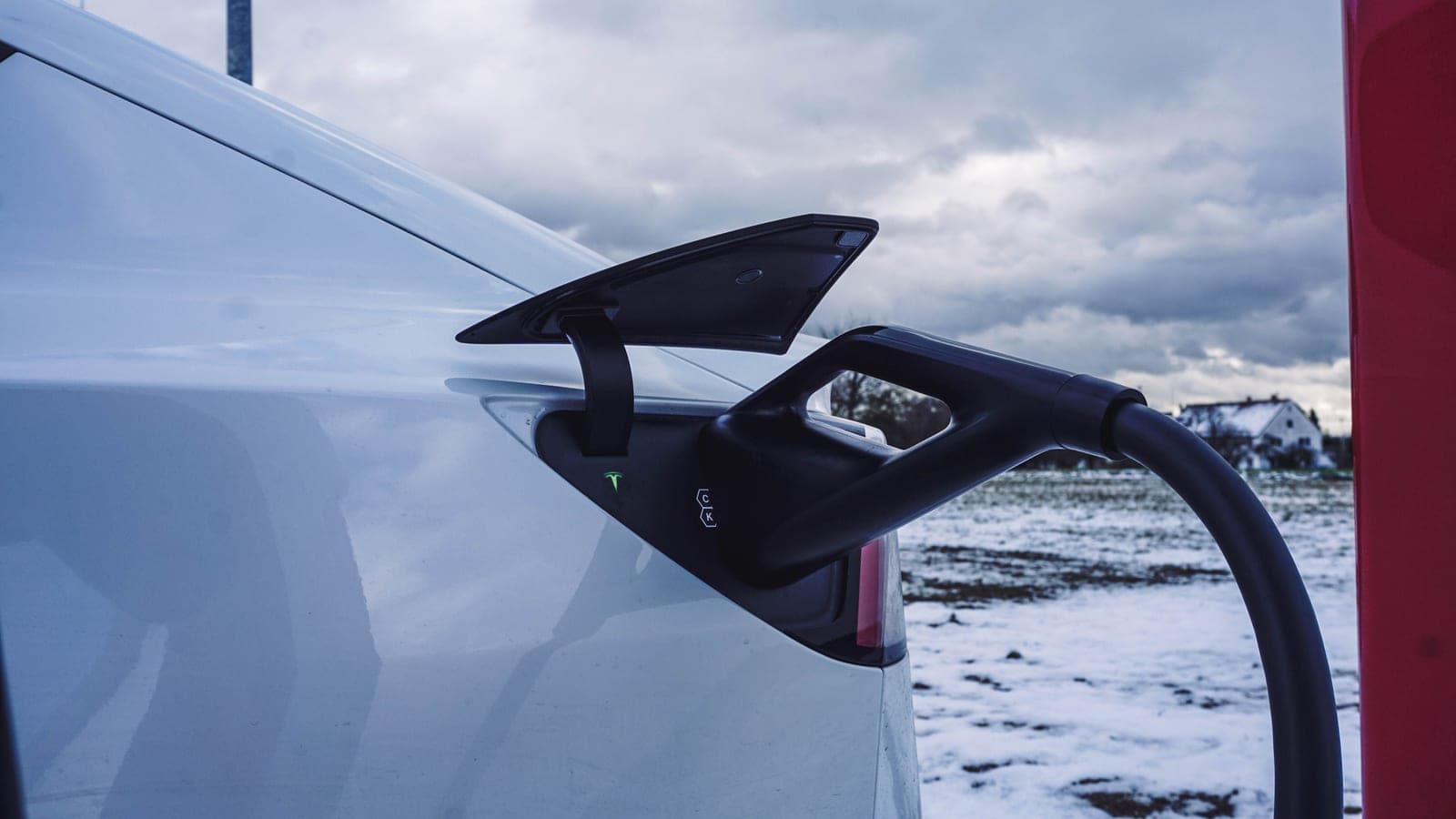
Charging outdoors safely
The safety fundamentals for outdoor charging: what the equipment already handles, what it does not, and the free habits that matter.
Guide
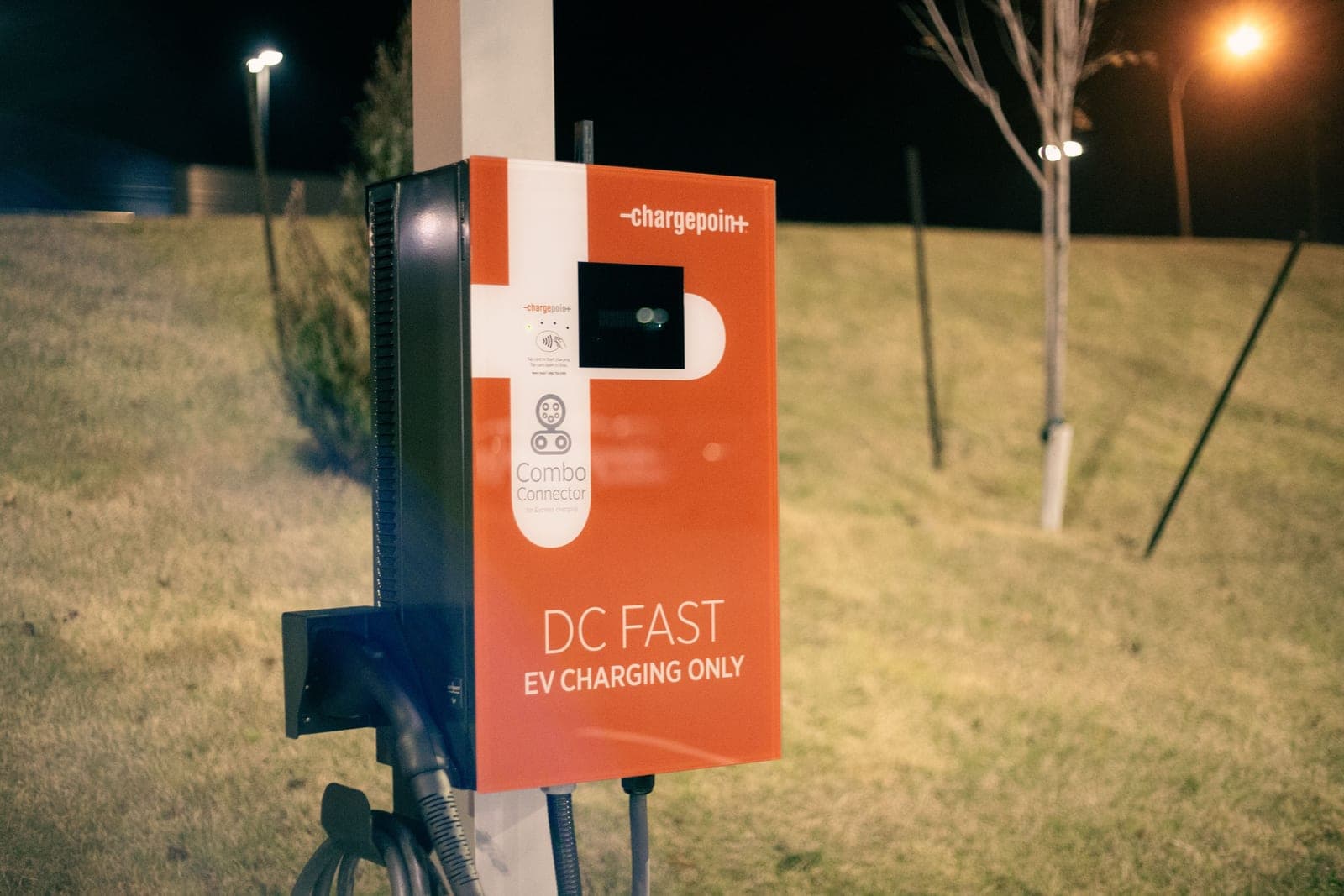
EV charging glossary
A plain-English glossary of the charging vocabulary, with the ambiguous terms flagged rather than smoothed over.