Charging outdoors safely
Most of the world charges under open sky. The genuine risks are few, boring and preventable — and none of them is rain.
Nothing to buy on this page: This is safety guidance, and the practices on it cost nothing. The weather-rated hardware recommendations live on [outdoor and weather](/cables-and-cords/outdoor-and-weather) and [leaving one outside](/portable-chargers/leaving-one-outside); attaching buy buttons to the safety page would put a purchase in front of advice that does not need one.
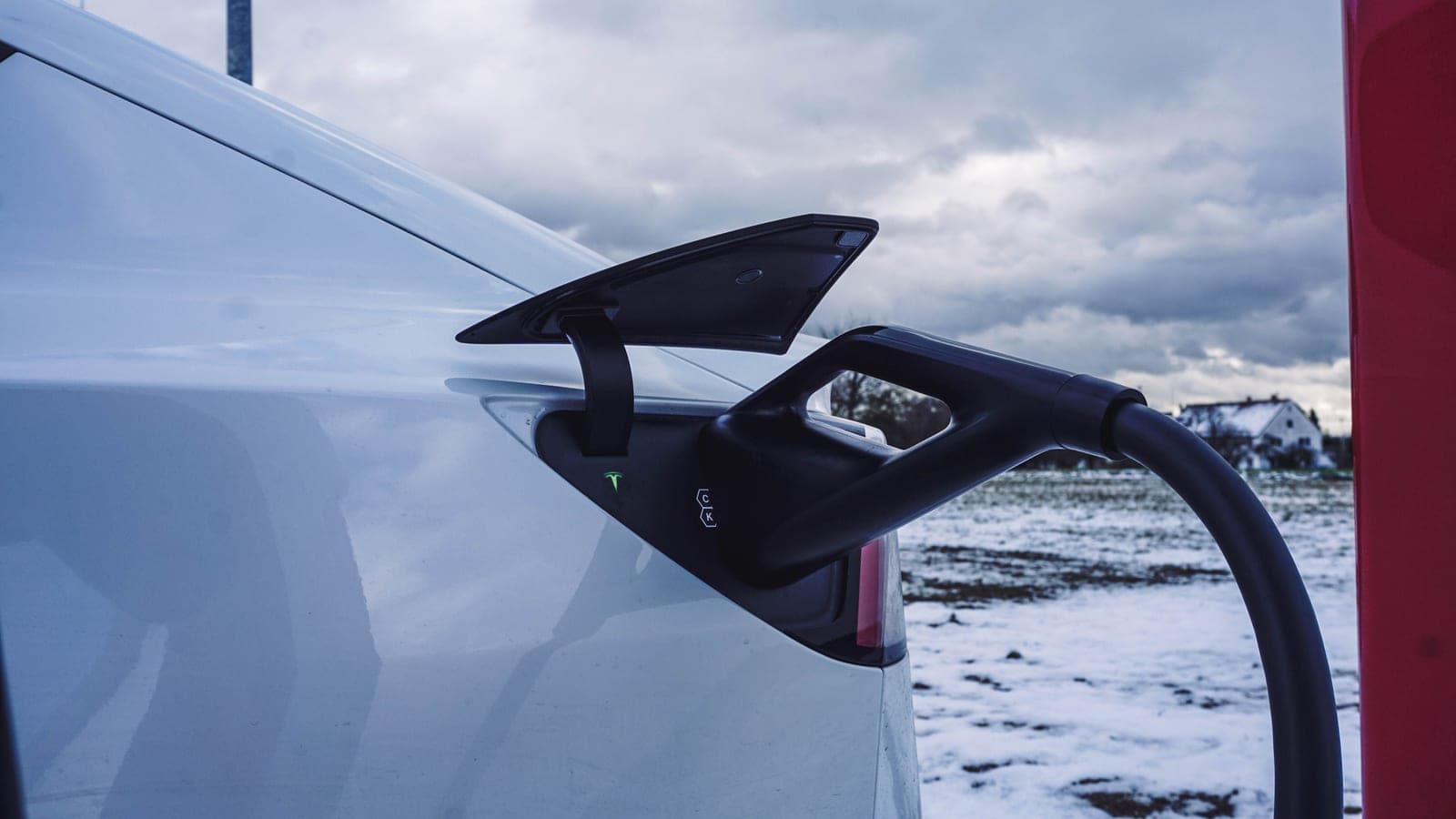
Rain is not the risk. EV charging equipment is designed for wet conditions, and the charger will not energize the cable until it has verified the connection to the car. The genuine risks in outdoor charging are a bad receptacle, an unmanaged connection, a cable somebody can trip on, and heat at a joint — and every one of them has a free fix.
What the equipment already handles
- The connection sequence. The cable is not live until the car and the charger have confirmed a proper connection. Picking up a connector is not picking up a live conductor.
- Ground monitoring. The EVSE watches the ground connection continuously and stops if it faults.
- Water on the connector. Both the vehicle inlet and the coupler are engineered for it. A wet connector is a designed-for condition.
- Overcurrent. The charger limits current to its configured setting and the circuit breaker sits behind that.
That list is why the hand-wringing tone of most outdoor-charging articles is misplaced. The equipment does a great deal of the work.
What it does not handle
The receptacle
An outdoor receptacle should sit in a while-in-use enclosure — the deep bubble cover that closes over a plug — rather than a flat flip-lid that a plug props permanently open. A propped-open lid is an open socket facing the weather. Asking a building for a while-in-use cover is a cheap, reasonable request.
Anything upstream of the charger
The EVSE protects what is downstream of it. A household extension cord between the wall and the charger is upstream, and nothing is watching it. This is the single most important geometric fact in outdoor charging and it has its own page.
Heat at a connection
Contact resistance turns current into heat, heat degrades the contact, and the cycle compounds over weeks. Nothing in the system is monitoring the temperature of your plug in its socket. That is what the hand check is for.
People walking past
A cable across a path is a trip hazard and no equipment feature addresses it. It is the one thing on this site we offer no workaround for — see street parking.
The five habits
- A drip loop. Let the cable hang below the outlet before rising to the plug, so water runs to the low point and drips off instead of running into the socket. Free, and it prevents the most common outdoor receptacle failure.
- Connector off the ground. A hook, a cleat, a holster or a bag over the end. Keeps the coupler out of puddles and grit between sessions.
- Nothing coiled while it is working. A coil cannot shed heat and its middle is the hottest point.
- A hand on the plug after the first long session, and again after the first hot day and the first cold snap. Warm is fine; hot means stop.
- A route nobody walks on. Along a wall, behind a wheel stop, under the car. Never across a doorway or a path.
GFCI, and the nuisance trip
Outdoor receptacles are generally required to have ground-fault protection, which is a good thing and occasionally an irritating one: some combinations of EVSE and GFCI produce nuisance trips, because the charger has its own ground-fault detection and the two interact. A charger that repeatedly trips a GFCI is annoying rather than dangerous, and it is worth knowing the phenomenon exists so you do not conclude something is broken. If it happens persistently, that is a genuine reason to mention it to the building.
In winter
- Do not force a frozen connector. Warm it with a hand or wait. Levering an iced latch breaks the latch.
- Clear snow from the inlet before connecting, so it does not melt in and refreeze.
- Keep the cable off ground where it can freeze into ice. Freeing it is what causes the damage.
- Expect slower charging and plan around it rather than assuming a fault. How long charging takes has the numbers.
When to stop and ask somebody
A warm or discoloured faceplate; a plug that fits loosely; any smell of hot plastic; a breaker that trips more than once; a receptacle that visibly moves in the wall. None of those is a reason to buy a different charger — they are reasons to report the outlet and use a different one until it is looked at.
Questions people actually ask
Is it safe to charge an EV outside in the rain?
Yes. The connector and vehicle inlet are designed for wet conditions and the cable is not energized until the connection is verified. The parts worth attention are the receptacle, the cable route and heat at connections.
What is a drip loop and why does it matter?
Letting the cable hang below the outlet before rising to the plug, so water runs to the low point and drips off rather than into the socket. It costs nothing and prevents the most common outdoor receptacle failure.
Why does my charger trip the GFCI outlet?
Some EVSE and GFCI combinations interact, because the charger has its own ground-fault detection. It is a known nuisance rather than a fault in either device, but persistent tripping is worth reporting to the building.
Can I charge in a thunderstorm?
The charging equipment is not the concern; a lightning strike on the building's supply is, and it is the same concern as for anything else plugged in. If you unplug appliances in storms, treat the charger the same way.
What should make me stop charging immediately?
A hot plug or faceplate, discoloration around the receptacle, a smell of hot plastic, a loose-fitting plug, or a breaker that trips repeatedly. Stop, use a different outlet, and report it.
Sources
Every figure on this page traces to one of these. If a number here disagrees with the manufacturer, the manufacturer is right and we want to know — tell us.
Read next
Guide
Learn
Reference and explainers: charging levels, cost per mile, session times, outdoor safety and a glossary written in plain English.
Guide
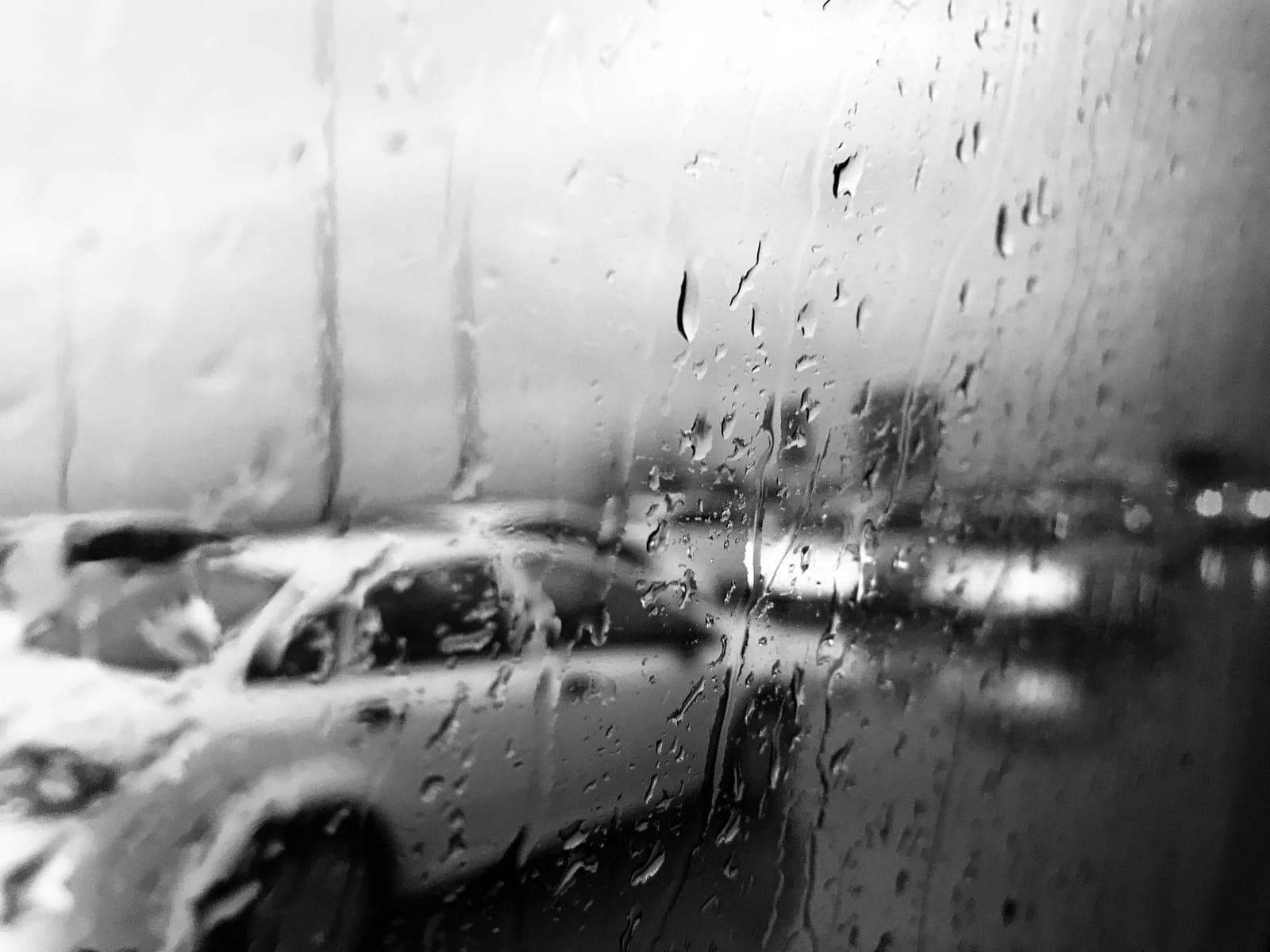
Cables in rain, snow and heat
Weather ratings decoded, plus the drip loop, the hook and the temperature realities that decide how long an outdoor setup lasts.
Top pick: Lectron NEXUS Level 2 Charger (NEMA 14-50 plug)
Guide
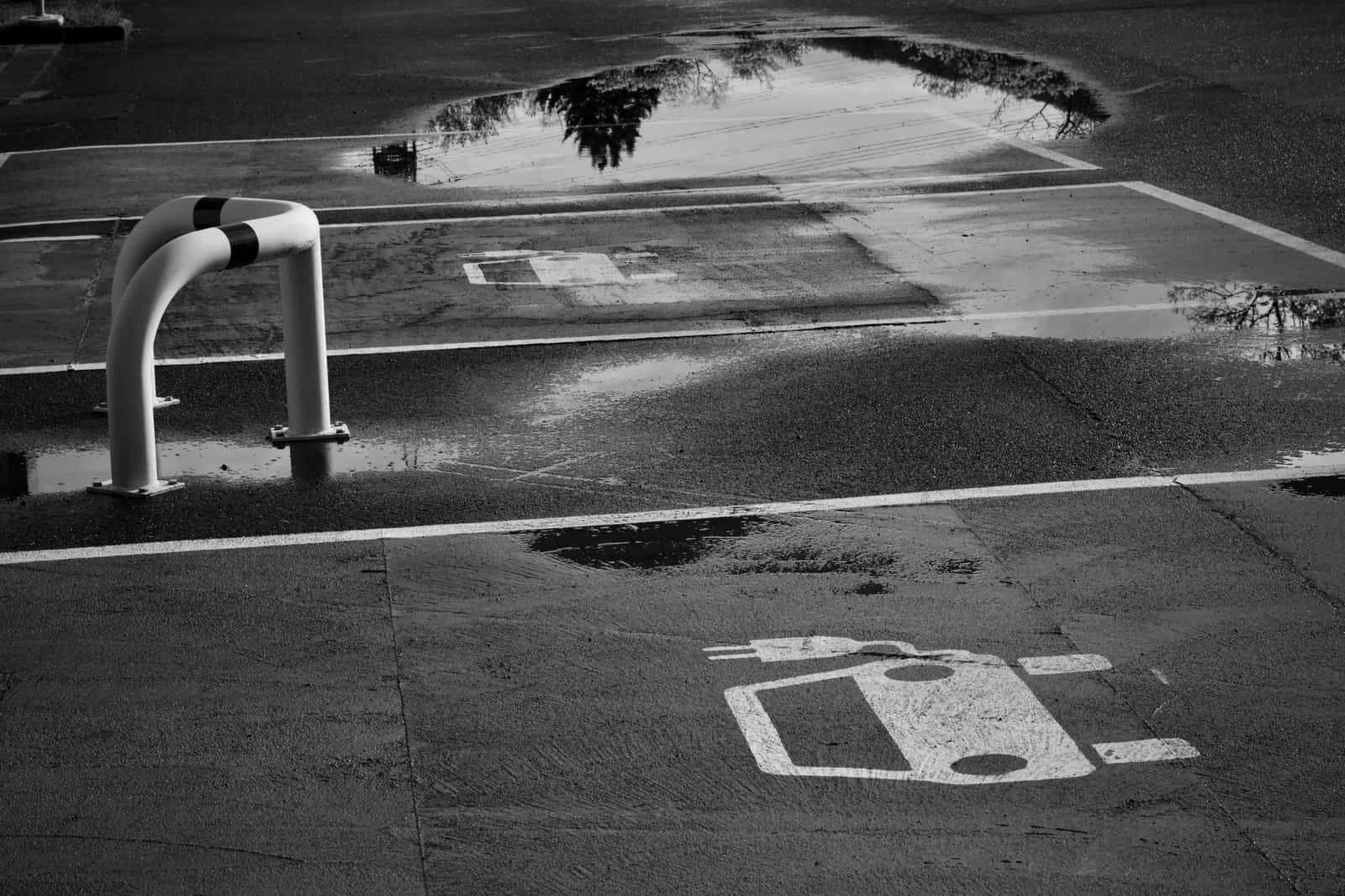
Leaving a portable charger outside
What IP and NEMA enclosure ratings actually promise, why the outlet is the weak point, and a practical setup for permanent outdoor use.
Top pick: Lectron NEXUS Level 2 Charger (NEMA 14-50 plug)
Guide
Is an EV extension cord safe?
The extension cord safety question, answered with the actual failure mechanism, the specification that avoids it, and what we will not endorse.
Top pick: A2Z EV J1772 to J1772 Extension Cord, 16 ft

Guide
Charging an EV when you only have street parking
Street parking is the hardest case. What genuinely works, what does not, and how to build a routine that does not depend on a driveway.
Top pick: Lectron Portable Level 1 J1772 Charger (15A, NEMA 5-15)
Best for Outdoors
Best EV charging gear for outdoors and winter
Outdoor and cold-weather charging gear ranked on published ingress and temperature ratings — plus the free habits that matter more than any of it.
Top pick: Lectron NEXUS Level 2 Charger (NEMA 14-50 plug)