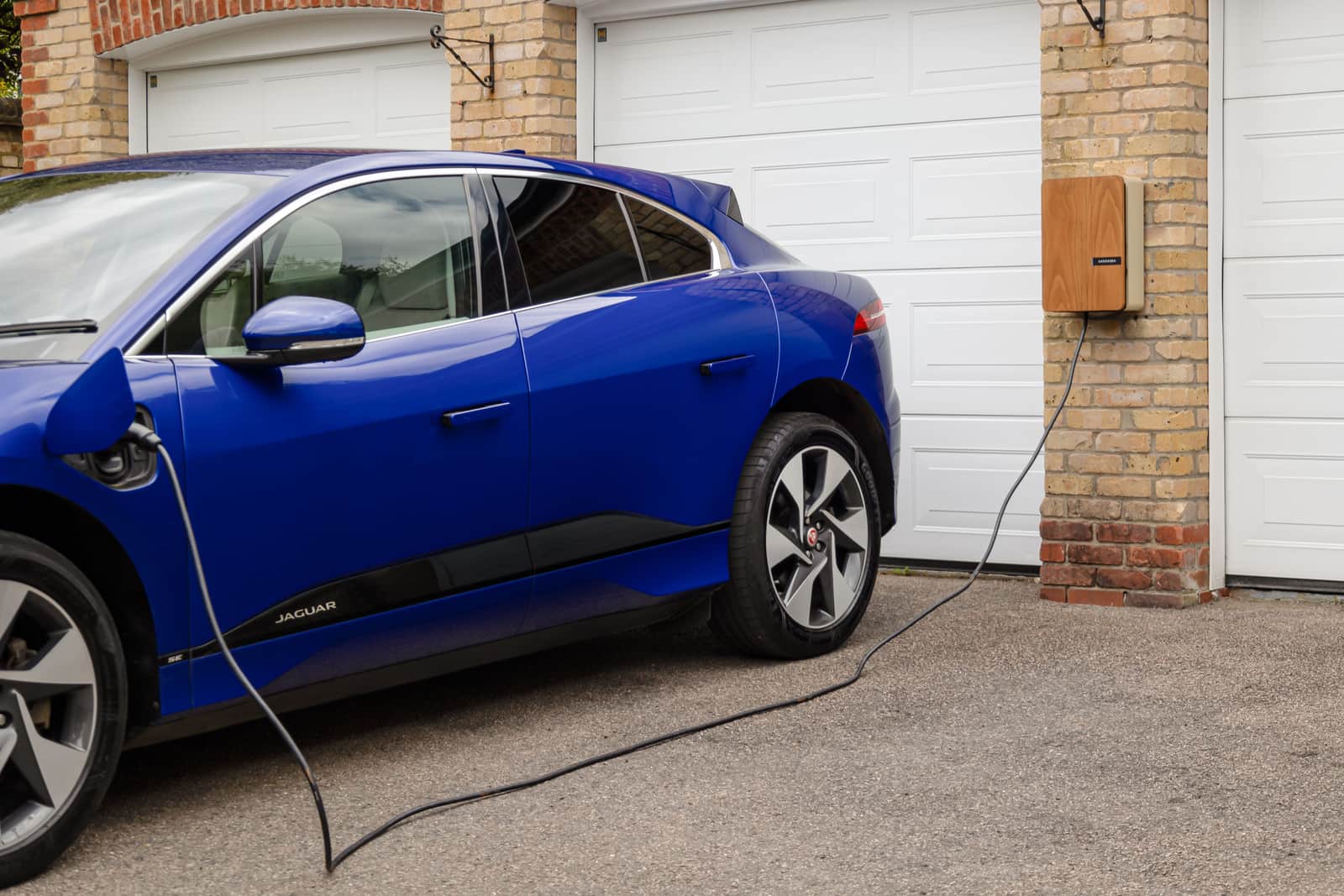
You don't have a garage. Here's what actually works.
Almost every EV charging guide starts by assuming a wall you own. This one starts by asking which outlet you can reach.

How this page is funded: the buy links below are affiliate links, and Renter Volt earns a commission on qualifying purchases at no cost to you. Nothing here was supplied by a manufacturer, and commission plays no part in the ranking — read the full disclosure. Picks are chosen from published specifications rather than hands-on testing; the method is written down so you can check it. Prices last verified October 27, 2026.
Yes, you can own an electric car without a garage. The question is not whether it works — it is which outlet you can physically reach, because that single fact decides everything else: what you buy, how fast you charge, and whether you need to talk to anybody about it. Most people who think they cannot charge at home have a 120V socket within reach and do not realize it counts.
Every other guide in this category is written for someone with a garage they own and a wall they can drill into. That reader has a wiring diagram problem. You have an access problem, and it is a different problem with different answers. So this page is organized around the only question that matters first.
Start with the outlet, not the charger
Walk to where your car parks and look for power. Not for a charging station — for an ordinary electrical outlet. In a carport, on an exterior wall, in a shared laundry room, in a storage cage, on a garage-bay wall in a shared structure. What you find determines which of the four routes below is yours.
| What you can reach | Realistic speed | What you buy | Who to talk to |
|---|---|---|---|
| An ordinary 120V socket | About 3-5 miles of range per hour | A Level 1 charger | Usually nobody |
| A 3-prong dryer outlet (NEMA 10-30) | Up to about 18 miles per hour | A splitter switch plus an adjustable charger | Whoever shares the laundry |
| A 4-prong dryer outlet (NEMA 14-30) | Up to about 18 miles per hour | A 4-prong splitter plus an adjustable charger | Whoever shares the laundry |
| A range or RV outlet (NEMA 14-50) | Up to about 30 miles per hour | A 40A plug-in charger | Usually nobody |
| Nothing at all | n/a | Nothing yet — read the apartment playbook first | Your building manager |
Why Level 1 is a better answer than it sounds
A 120V socket adds roughly 3 to 5 miles of range an hour. People hear that and stop reading. Do the arithmetic instead: twelve hours parked overnight is 36 to 60 miles, every night, for free in terms of hardware and permission. The US Department of Energy describes Level 1 as adding around 5 miles of range per hour of charging, which for a typical commuter is a full daily recovery.
The cheapest thing we could possibly link to is often the right answer, and we would rather say that than sell you a 40 amp charger for a circuit you cannot reach. Where Level 1 falls down is a long driving day — it will not recover 120 miles overnight, and if that is your week you need 240V.
The 240V route without an electrician
There is a persistent myth that Level 2 charging requires an installation. It requires a 240V circuit, which is not the same thing. If a 240V outlet already exists somewhere you can reach — a dryer outlet, a range outlet, an RV outlet — a plug-in charger uses it with no installation at all.
- A dryer outlet is 240V. Shared with the dryer via an automatic splitter switch, it becomes a legitimate EV circuit at up to 24 amps.
- A range or RV outlet is 240V at 50 amps. That is the fastest thing most renters can reach, and it takes a straightforward plug-in charger.
- Adjustable chargers matter here. A 30 amp circuit supports 24 amps of continuous load, so the charger has to be able to be told that. What amp rating you need covers the arithmetic.
Every recommendation here comes off the wall when you move
This is the rule that shapes the whole site. Nothing recommended on Renter Volt requires an electrician, a permit, or a landlord agreeing to construction. Everything plugs in, and everything leaves with you at the end of the lease. That is why you will not find a hardwired wall unit anywhere here, even though hardwired units dominate every competing list — including lists specifically about apartments.
Quick picks
Ranked, with the reasoning underneath. Tap any row to jump to that write-up; tap the price to check it on Amazon. Prices come from the live layer, never from this page.
| # | Product | Best for | Type | Price |
|---|---|---|---|---|
| 1 | 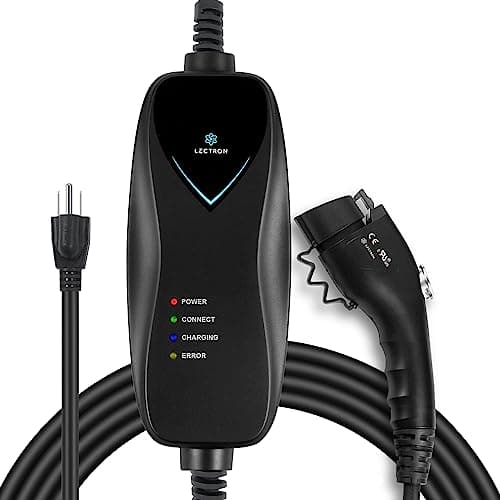 Lectron Portable Level 1 J1772 Charger (15A, NEMA 5-15)The unglamorous answer that covers most commutes: an ordinary 120V socket, overnight, and no conversation with anybody about electrical work. Lectron Portable Level 1 J1772 Charger (15A, NEMA 5-15)The unglamorous answer that covers most commutes: an ordinary 120V socket, overnight, and no conversation with anybody about electrical work. | An ordinary wall socket | Level 1 EVSE | |
| 2 | 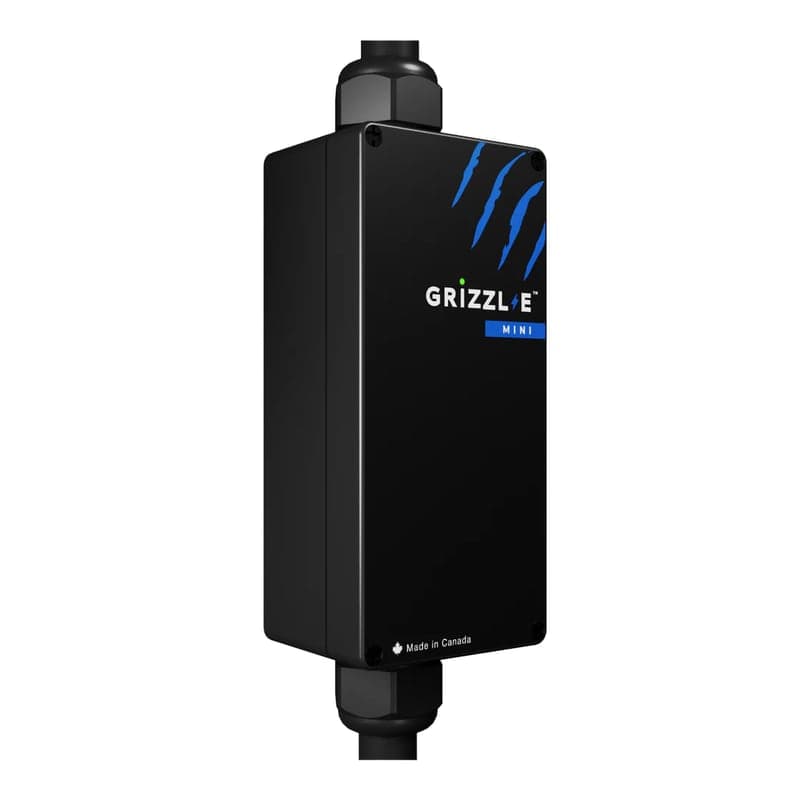 Grizzl-E Mini Connect Portable ChargerAdjustable from 7 to 40 amps and shipped with four plug adapters, which is the closest thing to a unit that fits whatever outlet you turn out to have. Grizzl-E Mini Connect Portable ChargerAdjustable from 7 to 40 amps and shipped with four plug adapters, which is the closest thing to a unit that fits whatever outlet you turn out to have. | Not knowing your outlet yet | Adjustable Level 1 and 2 EVSE | Check price#ad |
| 3 | 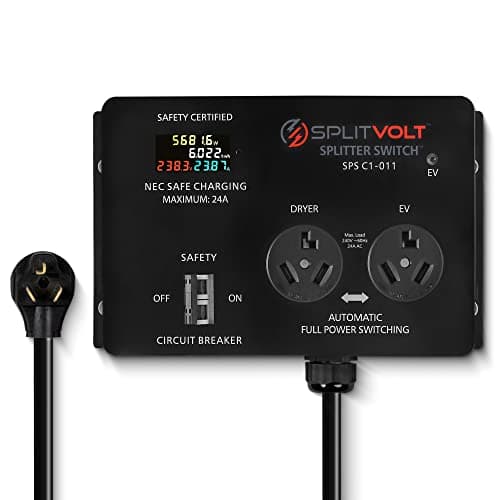 Splitvolt Splitter Switch (NEMA 10-30, 240V, 24A)The one device that makes a shared older dryer outlet a legitimate EV circuit — it switches automatically and carries its own breaker. Splitvolt Splitter Switch (NEMA 10-30, 240V, 24A)The one device that makes a shared older dryer outlet a legitimate EV circuit — it switches automatically and carries its own breaker. | An older 3-prong dryer outlet | Automatic 240V splitter |
#1 · An ordinary wall socket
Lectron Portable Level 1 J1772 Charger (15A, NEMA 5-15)
The unglamorous answer that covers most commutes: an ordinary 120V socket, overnight, and no conversation with anybody about electrical work.
| Input | 120V, 15A maximumsource |
|---|---|
| Output power | 1.8 kWsource |
| Cable length | 16 ftsource |
| Plug / connector | NEMA 5-15 plug, J1772 connectorsource |
| Certification | UL 2594 / UL 2231 certified, and separately described as ETL-certified; no certificate number publishedsource |
| Ingress rating | IP65 weather-resistant, stated in the specification textsource |
| Manufacturer charge-rate claim | 45+ miles of range overnight; 3-5 miles of range per hoursource |
What those numbers mean
1.8 kW sounds trivial next to 9.6 kW, and for a road trip it is. For a commute it usually is not: the average US driver covers well under 45 miles a day, and this replaces that overnight while the car sits anyway.
The honest ceiling is the circuit behind the socket, not the cable. This unit draws 15 amps for hours, which a 20 amp circuit supports continuously and a 15 amp circuit does not — so check the breaker before the first overnight session, and on a 15 amp circuit choose a 12 amp unit instead.
This is the only category of EV charging that is genuinely invisible to a landlord. It draws less than a hair dryer and plugs into a receptacle that already exists.
What it does well
- Works with a socket that already exists, everywhere, with no permission needed
- UL 2594 and UL 2231 certified rather than a generic cordset
- Cheapest possible entry into home charging, by a wide margin
What it does not
- 1.8 kW will not recover a long driving day overnight
- 16 ft cable, and the nearest 120V socket is often not the nearest thing to the car
- Its 15 amp draw needs a 20 amp circuit behind the socket; an ordinary 15 amp circuit supports 12 amps continuously
Skip this one if: You regularly drive more than about 45 miles a day. Level 1 will fall a little further behind every night and you will spend the difference at public chargers.
#2 · Not knowing your outlet yet
Grizzl-E Mini Connect Portable Charger
Adjustable from 7 to 40 amps and shipped with four plug adapters, which is the closest thing to a unit that fits whatever outlet you turn out to have.
| Adjustable current | 7A to 40A (9.6 kW maximum)source |
|---|---|
| Voltage | Automatically detects 120V (Level 1) or 240V (Level 2)source |
| Cable length | 25 ft (7.6 m)source |
| Plug and adapters | NEMA 14-50 plug plus four included electrical adapterssource |
| Connector | J1772 or Tesla (NACS) versionssource |
| Enclosure | UL Type 4 / IP67 ratedsource |
| Certification | UL tested and certified, Energy Star certifiedsource |
What those numbers mean
The adjustable current is the feature that matters to a renter, and it is not a convenience. A 30 amp dryer circuit legally supports 24 amps of continuous EV load; a unit that can be set to 24 amps can use that circuit, and a fixed 40 amp unit cannot.
25 ft of cable is nine feet more than the common 16 ft, and nine feet is frequently the difference between reaching the car and not.
IP67 and a UL Type 4 enclosure describe the unit's own weather tolerance. They say nothing about the outlet it plugs into, which is usually the part that is not weather-rated.
What it does well
- 7-40A adjustment means one unit fits a 15, 20, 30 or 50 amp circuit
- 25 ft cable is among the longest on a portable unit
- Four plug adapters included, so an outlet change does not mean a new charger
- Available with either a J1772 or a NACS connector
What it does not
- Costs meaningfully more than a fixed-amperage unit that does one job
- The bundled adapters make it easy to plug into a circuit you have not actually checked
Skip this one if: You know exactly which outlet you have, it is not changing, and you would rather put the money into a longer cable than into adjustability you will set once and never touch.
#ad · how this is funded · price as of October 27, 2026
#3 · An older 3-prong dryer outlet
Splitvolt Splitter Switch (NEMA 10-30, 240V, 24A)
The one device that makes a shared older dryer outlet a legitimate EV circuit — it switches automatically and carries its own breaker.
| Input plug | NEMA 10-30 malesource |
|---|---|
| Output sockets | Two NEMA 10-30 female outlets — one for the dryer, one for the EV chargersource |
| Rating | 240V ~ 60Hz, 24A AC maximum loadsource |
| Protection | Integrated 24A circuit breaker with easy resetsource |
| Switching | Automated power switching between the dryer and EV power socketssource |
| Certification | Conforms to UL 60730-1, certified to CSA E60730-1, cETLus listed Intertek 5021938source |
| Installation | No electrical installation required — plug and playsource |
What those numbers mean
24A is the number to design around, and it is not the manufacturer being cautious. A 30 amp circuit supports 24 amps of continuous load under the 80% rule, and continuous is exactly what EV charging is.
Automatic switching is what makes this a device rather than a Y-splitter. Both loads on one 30 amp circuit at once would trip the breaker at best; the switch guarantees only one draws at a time.
The integrated 24A breaker is the part that earns the trust. It means the splitter protects the circuit itself instead of relying only on a panel breaker you cannot see and wiring you cannot inspect.
What it does well
- Plugs in — genuinely no electrician, no permit, no landlord construction
- Its own 24A breaker rather than trusting the panel alone
- cETLus listed with the Intertek file number published
- Automatic switching, so the dryer keeps priority without anybody replugging anything
What it does not
- 24A caps charging at roughly 5.7 kW, well below a NEMA 14-50's ceiling
- NEMA 10-30 is an ungrounded three-wire configuration, which is a real caveat rather than a formality
- Only useful if you can physically reach the laundry outlet from the car
Skip this one if: Your dryer outlet is the modern four-prong NEMA 14-30. Buy the four-prong splitter instead — this one will not fit, and forcing the fit is exactly the wrong instinct.
#ad · how this is funded · price as of October 27, 2026
Then work out whether the plug fits your car
Once you have power, the second question is connectors. North America is mid-transition between J1772 and NACS, which means a charger and a car can both be perfectly good and still not fit each other. The direction of the adapter you need depends on which side is which, and getting it backwards is the single most common purchase mistake in this category — we wrote a whole page on the direction.
And whether the cable will actually reach
Cable length is the specification renters underestimate most. A 16 ft charger cable sounds generous until it has to leave a wall, go around a post and reach a charge port on the far side of the car. Measure it before you buy anything. If you are already committed to a short cable, an EV extension on the car side is the safer of the two ways to add length — and there is a right and a wrong way to do it.
Where to go next
- Not sure what your outlet is? Identify it here — it takes about a minute and a photograph.
- Want the shortest possible shopping list? The renter's starter kit.
- Nothing installed and you want to change that? The apartment complex playbook.
- Renting, and want to know what you are actually entitled to ask for? Renter rights and right-to-charge.
Questions people actually ask
Can you own an electric car without a garage?
Yes. The requirement is access to an outlet where the car parks, not a garage. An ordinary 120V socket adds roughly 3-5 miles of range per hour, which covers a typical daily commute overnight. A 240V outlet you can reach — a dryer, range or RV receptacle — makes it substantially faster.
How do you charge an EV in an apartment complex?
In order of preference: a 240V outlet you can reach with a plug-in charger, a shared dryer circuit with an automatic splitter, an ordinary 120V socket with a Level 1 charger, or a request to the building for installed charging. The apartment complex playbook walks through each in order.
Is there an EV charger that needs no installation?
Yes — any plug-in charger. A charger that ends in a NEMA plug rather than bare wires is not an installation, it is an appliance. The installation people mean when they say they cannot have one is the new circuit, and that is only needed when no suitable outlet already exists.
Is Level 1 charging actually enough?
For most commuters, yes. Twelve hours on a 120V socket returns roughly 36-60 miles. It stops being enough when you regularly drive further than that in a day, at which point you need a 240V outlet or public charging to make up the difference.
Will a portable charger work in the rain?
The charger usually will — many carry IP66 or IP67 enclosure ratings. The outlet it plugs into frequently is not rated for it, and neither is the connection between them. See charging outdoors safely.
Sources
Every figure on this page traces to one of these. If a number here disagrees with the manufacturer, the manufacturer is right and we want to know — tell us.
- U.S. DOE Alternative Fuels Data Center — Electric vehicle charging levels and speeds
- U.S. Department of Energy — Electric vehicle charging at home
- Splitvolt — Splitter Switch NEMA 10-30, 240V / 24A, cETLus certified (product page)
- Grizzl-E Mini Connect — published specifications (EVolt Home, authorized dealer listing)
Read next
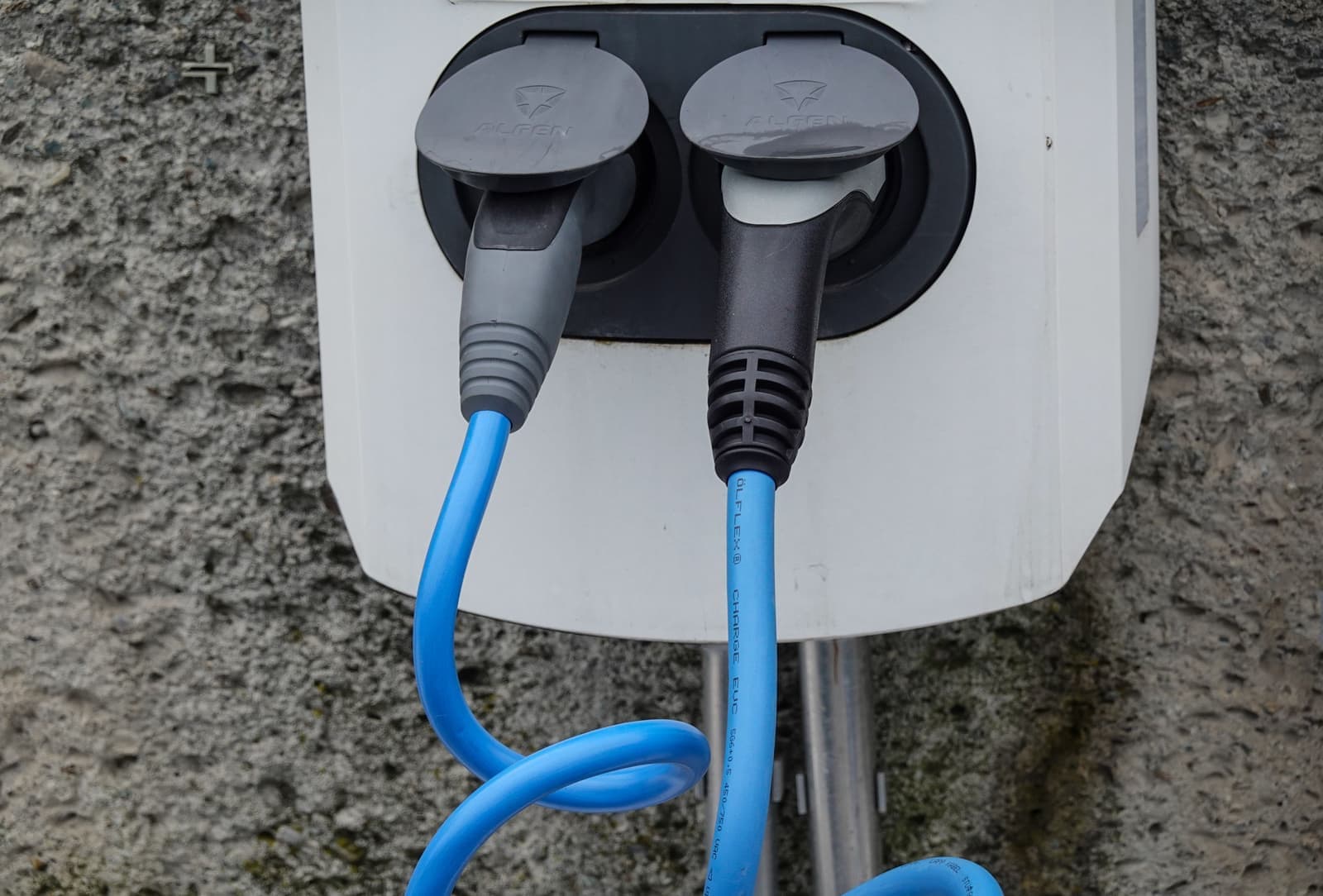
Best No-Install Setup
The best EV chargers that need no installation
Ranked no-install charging setups, from an ordinary wall socket to a shared dryer circuit — every one of them plugs in and leaves with you.
Top pick: Grizzl-E Mini Connect Portable Charger
Best Starter Kit
The renter's EV charging starter kit
The shortest defensible shopping list for a new EV owner with no garage — what to buy first, second, and only if you need it.
Top pick: Lectron Portable Level 1 J1772 Charger (15A, NEMA 5-15)

Guide
How to charge an EV in an apartment complex
The ordered playbook for apartment charging: survey the property, find reachable power, and make the ask that gets a yes.
Top pick: Lectron Tesla (NACS) to J1772 Adapter, 48A
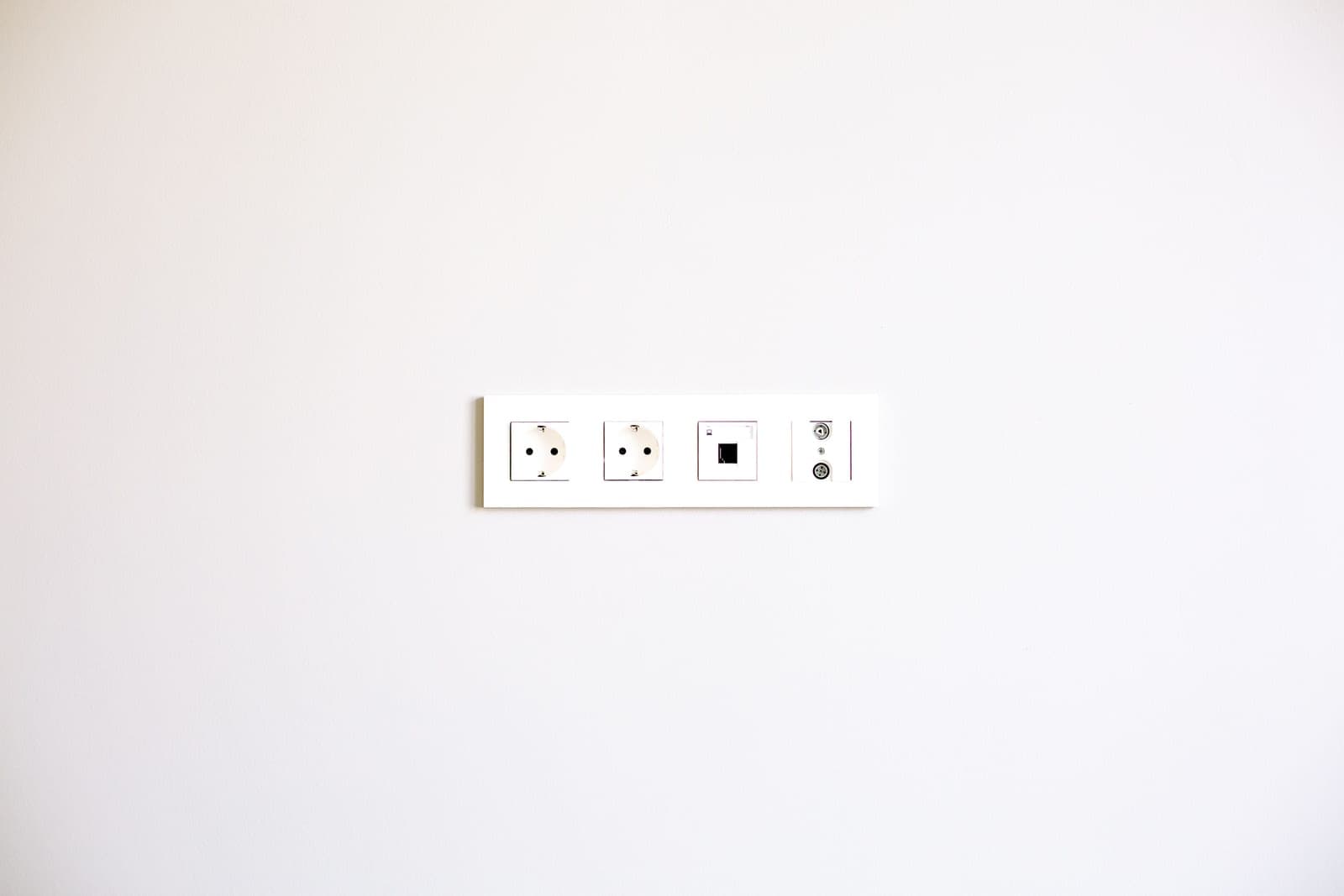
Guide
Identify your outlet in about a minute
A visual identification method for the NEMA outlets that matter, plus the two lookalike pairs that cause the wrong purchase.
Top pick: Grizzl-E Mini Connect Portable Charger
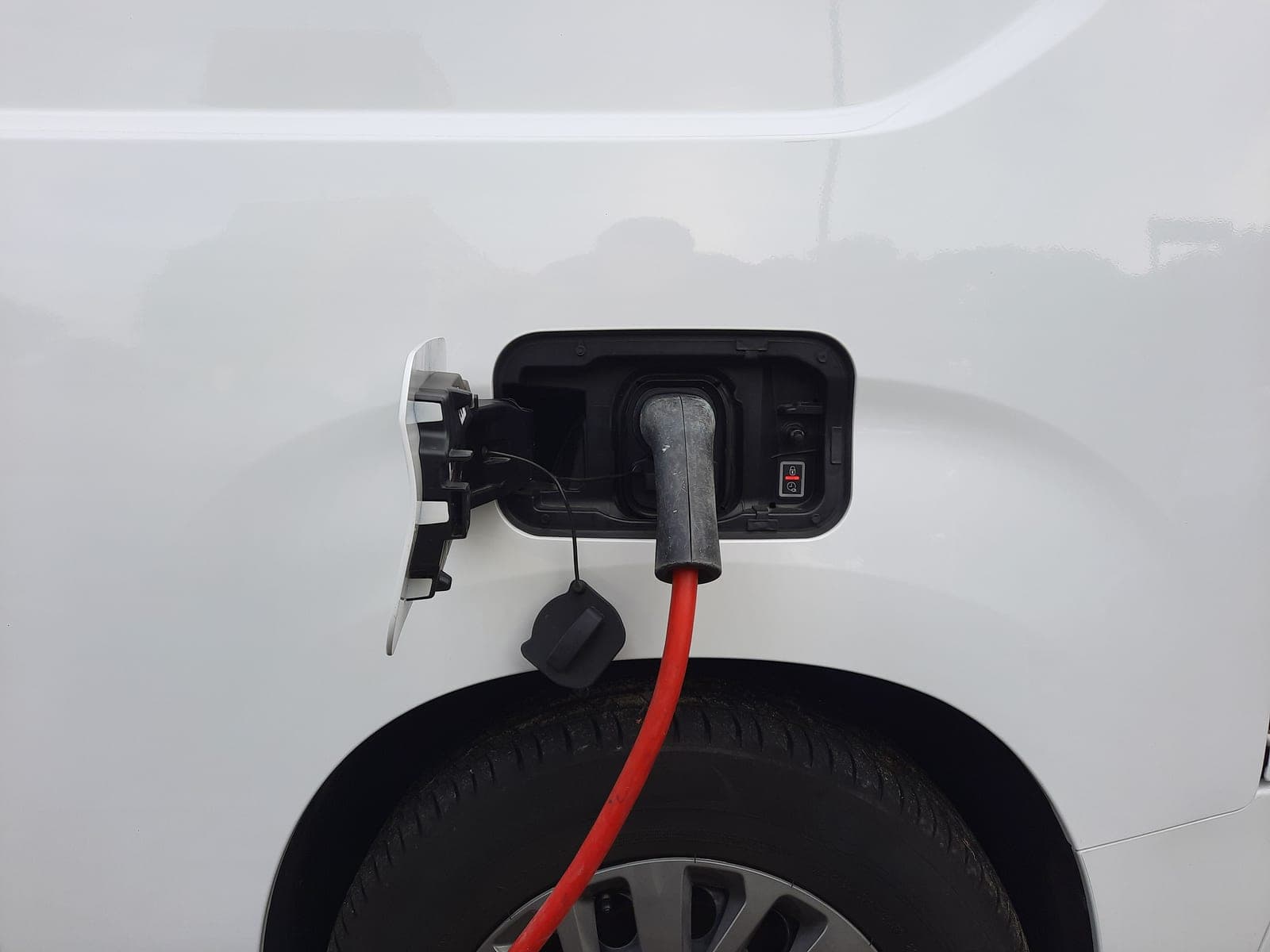
Guide
Level 1 vs Level 2, for someone without a garage
The charging-level comparison rewritten for renters, with a renter-viability column and an honest case for Level 1.
Top pick: Lectron Portable Level 1 J1772 Charger (15A, NEMA 5-15)
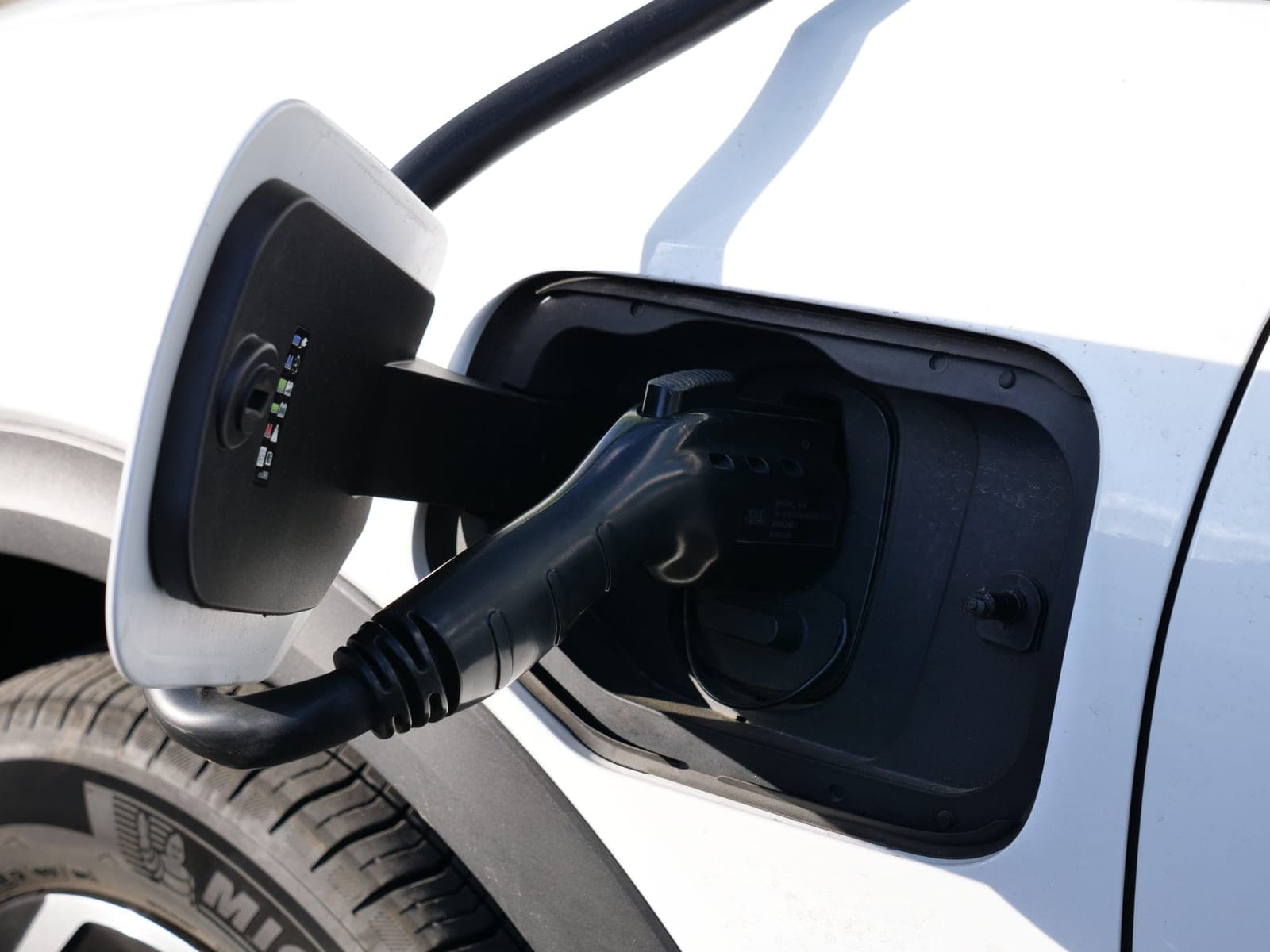
Guide
NACS to J1772 vs J1772 to NACS
The direction question answered up front: an adapter is named for the cable it plugs onto first and the car it presents to second.
Top pick: Lectron Tesla (NACS) to J1772 Adapter, 48A