Why your adapter is AC only
One connector shape, two entirely different technologies. This is the distinction that generates more disappointed purchases than any other.
How this page is funded: the buy links below are affiliate links, and Renter Volt earns a commission on qualifying purchases at no cost to you. Nothing here was supplied by a manufacturer, and commission plays no part in the ranking — read the full disclosure. Picks are chosen from published specifications rather than hands-on testing; the method is written down so you can check it. Prices last verified October 27, 2026.
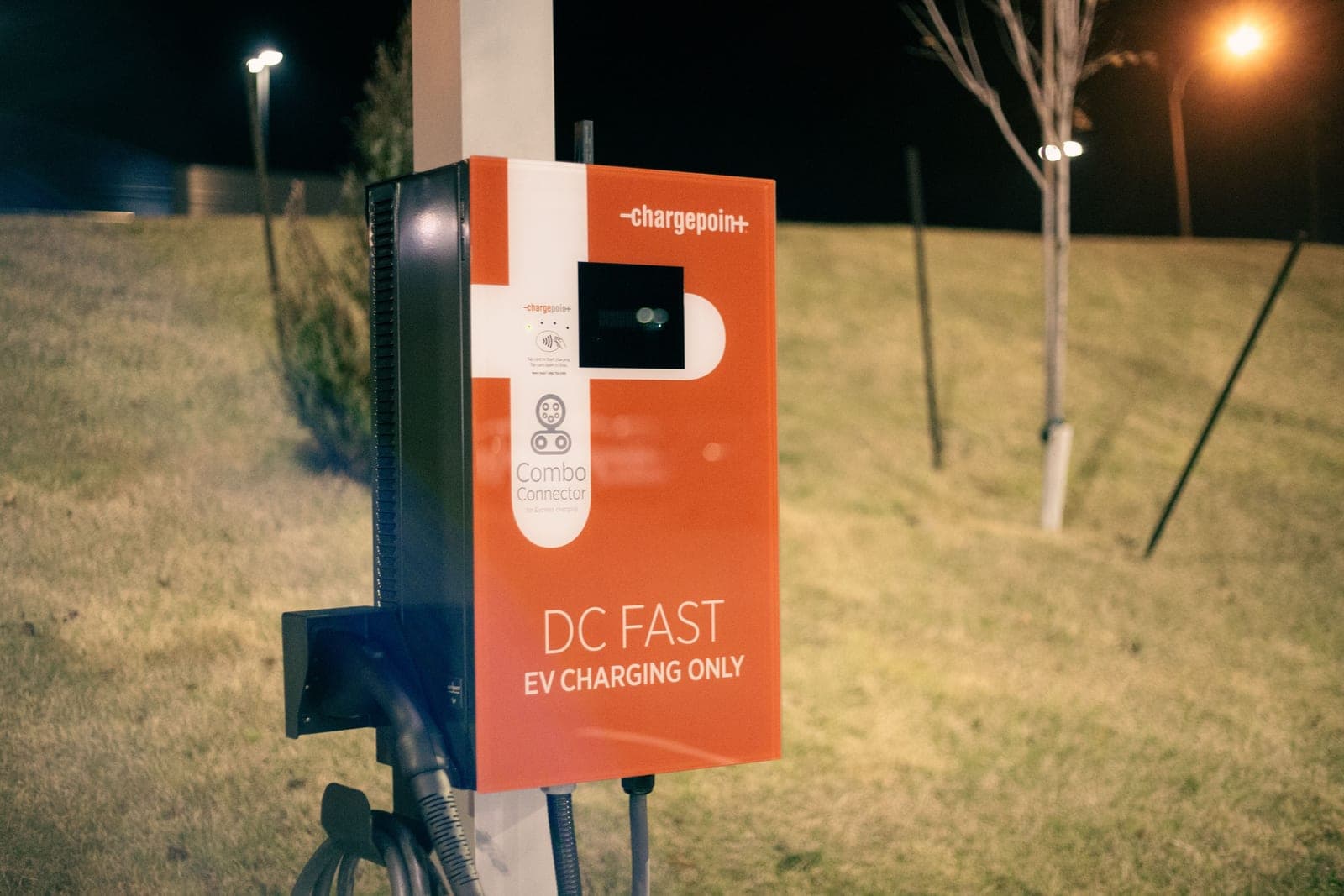
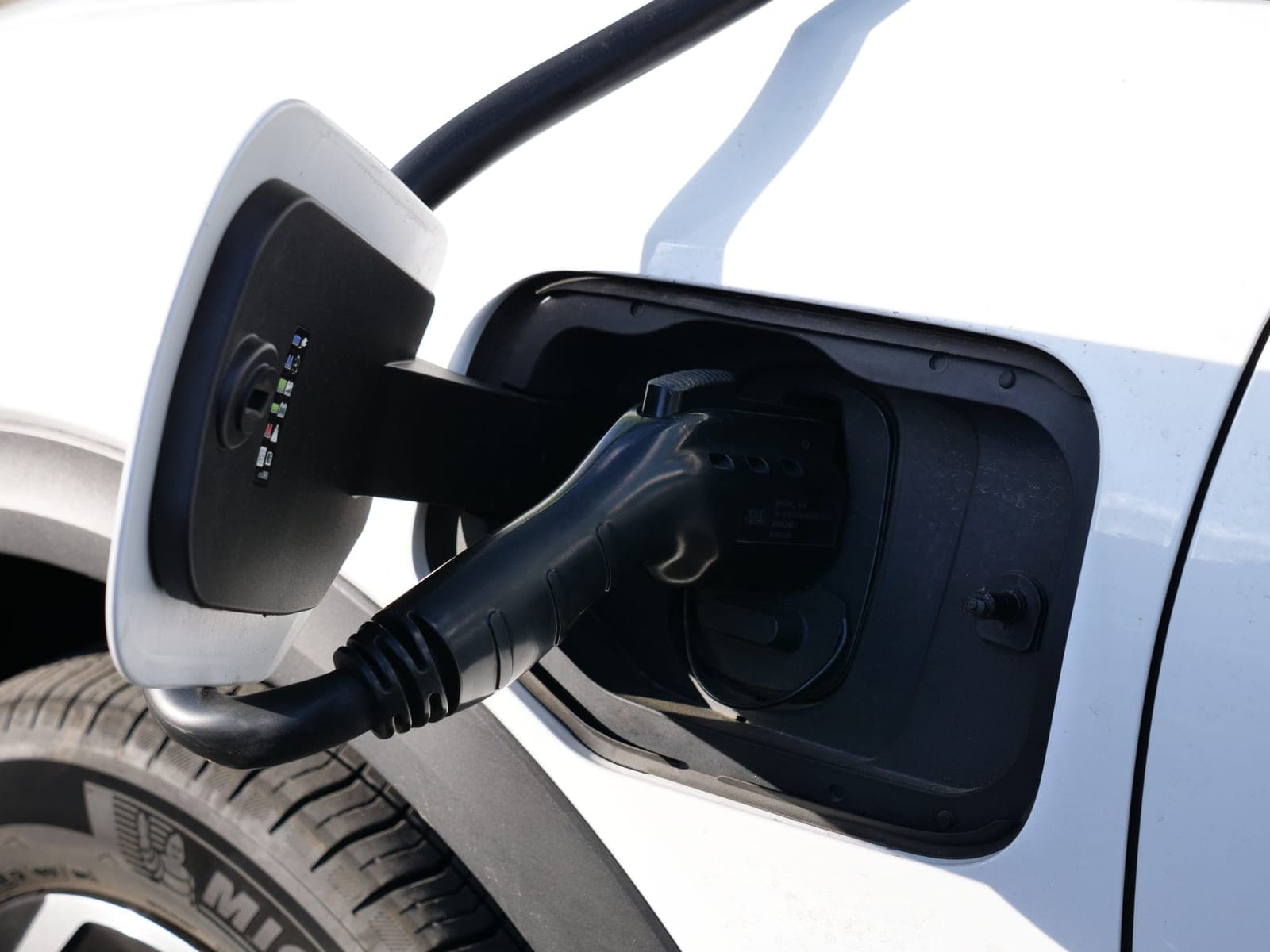
A NACS connector carries AC Level 2 at home and DC fast charging at a Supercharger, through the same physical shape. That shared shape is why people buy an AC adapter and expect it to work at a fast charger. It fits, and it does nothing, and the reason is that the two are not different speeds of the same thing — they are different technologies that happen to share a plug.
What actually differs
| AC (Level 1 and 2) | DC fast charging | |
|---|---|---|
| Where conversion happens | Inside the car, by its onboard charger | Inside the station, before the cable |
| Typical power | 1.4 to 9.6 kW at home | 50 to 350 kW |
| What the cable carries | Mains AC, essentially | High-voltage DC, straight to the battery |
| Adapter standard | UL 2251 / UL 2252 | A different standard entirely, at far higher ratings |
| What you plug into | An outlet, via a charger | A dedicated station, never a wall socket |
The middle row is the important one. In AC charging the car does the conversion, which is why the car's onboard charger sets your speed ceiling. In DC charging the station does it and feeds the battery directly, which is why a fast charger is a large expensive cabinet and not something you can own.
Why an AC adapter cannot bridge to DC
The pins carrying DC in a NACS or CCS connection carry current and voltage far beyond what an AC adapter is built for, and the communication protocol between the car and a DC station is different from the AC one. A DC adapter is a substantially different object — different internals, different certification, and a price to match. The adapters on this site are all AC, and every one of them says so.
Quick picks
Ranked, with the reasoning underneath. Tap any row to jump to that write-up; tap the price to check it on Amazon. Prices come from the live layer, never from this page.
| # | Product | Best for | Type | Price |
|---|---|---|---|---|
| 1 | 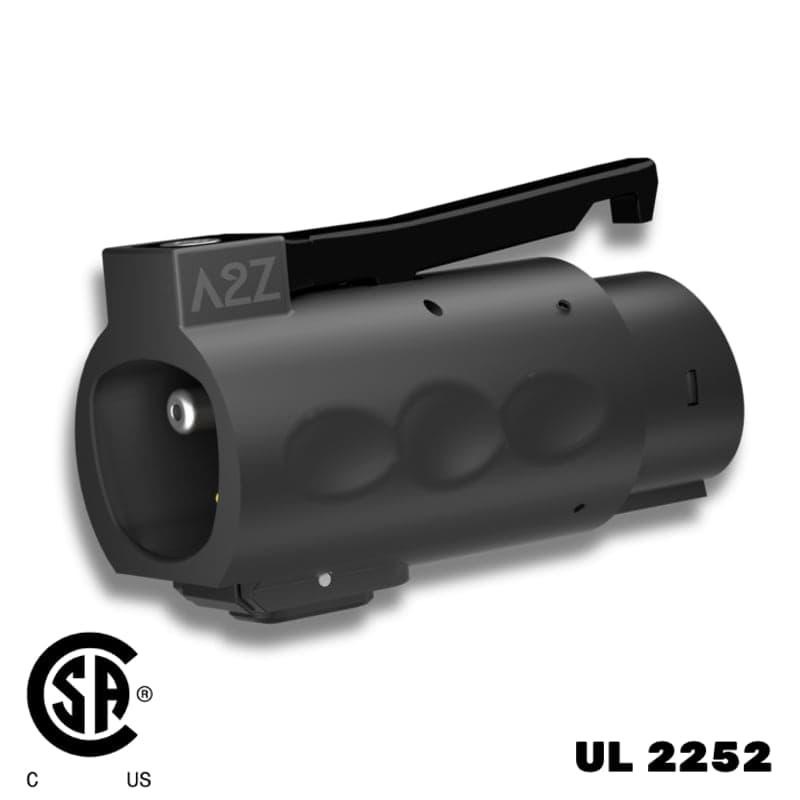 A2Z EV Stellar NACS to J1772 Adapter, 80AThe same direction as the Lectron with a higher rating, an IP67 body and a published temperature range — the one to buy if it lives outdoors. A2Z EV Stellar NACS to J1772 Adapter, 80AThe same direction as the Lectron with a higher rating, an IP67 body and a published temperature range — the one to buy if it lives outdoors. | Outdoor, year-round use | AC charging adapter | Check price#ad |
| 2 | 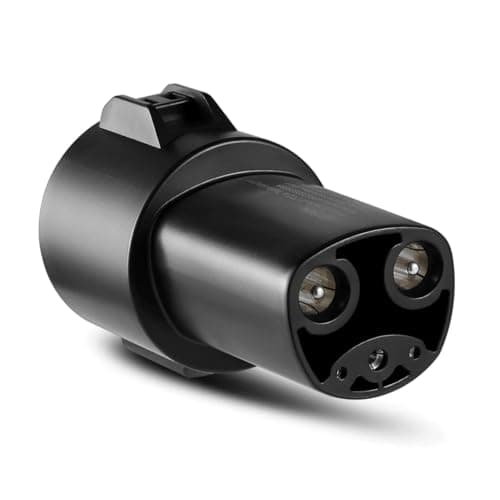 Lectron J1772 to Tesla (NACS) AdapterThe opposite direction, and the one Tesla drivers actually need: it lets a NACS car take the J1772 cable that most workplaces and older buildings already have. Lectron J1772 to Tesla (NACS) AdapterThe opposite direction, and the one Tesla drivers actually need: it lets a NACS car take the J1772 cable that most workplaces and older buildings already have. | A Tesla at a J1772 station | AC charging adapter |
#1 · Outdoor, year-round use
A2Z EV Stellar NACS to J1772 Adapter, 80A
The same direction as the Lectron with a higher rating, an IP67 body and a published temperature range — the one to buy if it lives outdoors.
| Rated current | 80Asource |
|---|---|
| Rated voltage | 240V ACsource |
| Direction | NACS charger connector into a J1772 vehicle portsource |
| Charging type | AC only — not compatible with DC chargerssource |
| Certification | UL 2252 / CSA-C22.2 certified, certification number 80265273source |
| Ingress rating | IP67; IP54 when matedsource |
| Operating temperature | -30°C to 50°Csource |
What those numbers mean
A published operating temperature range is rarer in this category than it should be, and it is the figure that matters if your car lives in an uncovered lot through a real winter.
IP67 is the unmated rating — the adapter sitting in a puddle. IP54 mated is the number that applies while it is actually plugged in, and it is the more useful of the two.
The 80A rating is far above anything a residential AC circuit delivers — a plug-in charger tops out at 40A. Treat it as headroom, not as speed.
What it does well
- Published -30°C to 50°C operating range
- IP67 sealed body, IP54 while mated
- UL 2252 and CSA certified, with the certificate number published
What it does not
- Costs more than the adequate-for-most 48A alternatives
- The 80A headline is irrelevant on any residential AC circuit
Skip this one if: The adapter will live in a glovebox and get used indoors in a mild climate. You are paying for sealing and a temperature range that will never be tested.
#ad · how this is funded · price as of October 27, 2026
#2 · A Tesla at a J1772 station
Lectron J1772 to Tesla (NACS) Adapter
The opposite direction, and the one Tesla drivers actually need: it lets a NACS car take the J1772 cable that most workplaces and older buildings already have.
| Maximum current | Up to 80A at 240V ACsource |
|---|---|
| Direction | SAE J1772 charging station into a Tesla (NACS / J3400) vehicle portsource |
| Compatibility | Any Level 1 or Level 2 charger with a J1772 connector; Tesla Model S, 3, X and Y plus other NACS (J3400) vehiclessource |
| Ingress rating | IP67-rated for water and dustsource |
| Operating temperature | -22°F to 122°Fsource |
| Certification | UL 2251 and TUV certifiedsource |
What those numbers mean
Most public and workplace AC charging in the US is still J1772, and most Teslas ship without an adapter for it. This is the part that fills that gap, and it lives in the frunk.
IP67 is the strongest ingress rating of any adapter here — dust tight and rated for temporary immersion rather than just spray. That is the specification to want for something left connected outdoors overnight, though it is still worth keeping the coupling out of standing water.
80A is roughly double what any Level 2 AC station will hand you, so the adapter is never the limiting factor in the chain. Treat the rating as headroom on a connection that carries current for hours, not as speed.
What it does well
- The direction Tesla drivers actually need for apartment and workplace J1772 cables
- IP67 rating and a published -22°F to 122°F operating range
- UL 2251 and TUV certified
What it does not
- AC only — it does nothing at a CCS DC fast charger
- Small and valuable, which is exactly the theft profile of a shared parking garage
Skip this one if: Your car has a J1772 port. This adapter is for NACS-port vehicles and will not fit yours in either orientation.
#ad · how this is funded · price as of October 27, 2026
What this means for a renter, practically
- Everything you buy for home charging is AC. There is no home DC charging and there is not going to be — it is not a product category for residential use.
- A building's installed chargers are almost certainly AC too. Wall connectors, destination chargers and workplace pedestals are all AC Level 2.
- DC is a road-trip and public-charging technology. If you have no home charging at all, DC is part of your routine — home versus public does the cost arithmetic.
- If a listing is vague about AC versus DC, that vagueness is the warning. Careful manufacturers state it plainly; Lectron and A2Z both do.
The naming trap
Why this is a feature rather than a limitation
AC charging is what makes home charging possible at all. It works from an ordinary outlet, the equipment is cheap enough to own, and the slow rate is irrelevant when the car is parked for twelve hours. Nobody would want a DC charger at home even if it existed: it would cost more than the car and would deliver in twenty minutes what the night was going to deliver anyway.
The honest framing is that AC and DC solve different problems. AC solves "the car is parked and should be full by morning." DC solves "the car is not parked and needs range now." A renter with any reachable outlet mostly has the first problem, which is the cheaper one.
Questions people actually ask
Why does my charging adapter say AC only?
Because AC and DC charging are different technologies sharing a connector shape. In AC charging the car converts the power; in DC charging the station does, at voltages and currents an AC adapter is not built for and using a different communication protocol.
Can I use a NACS adapter at a Supercharger?
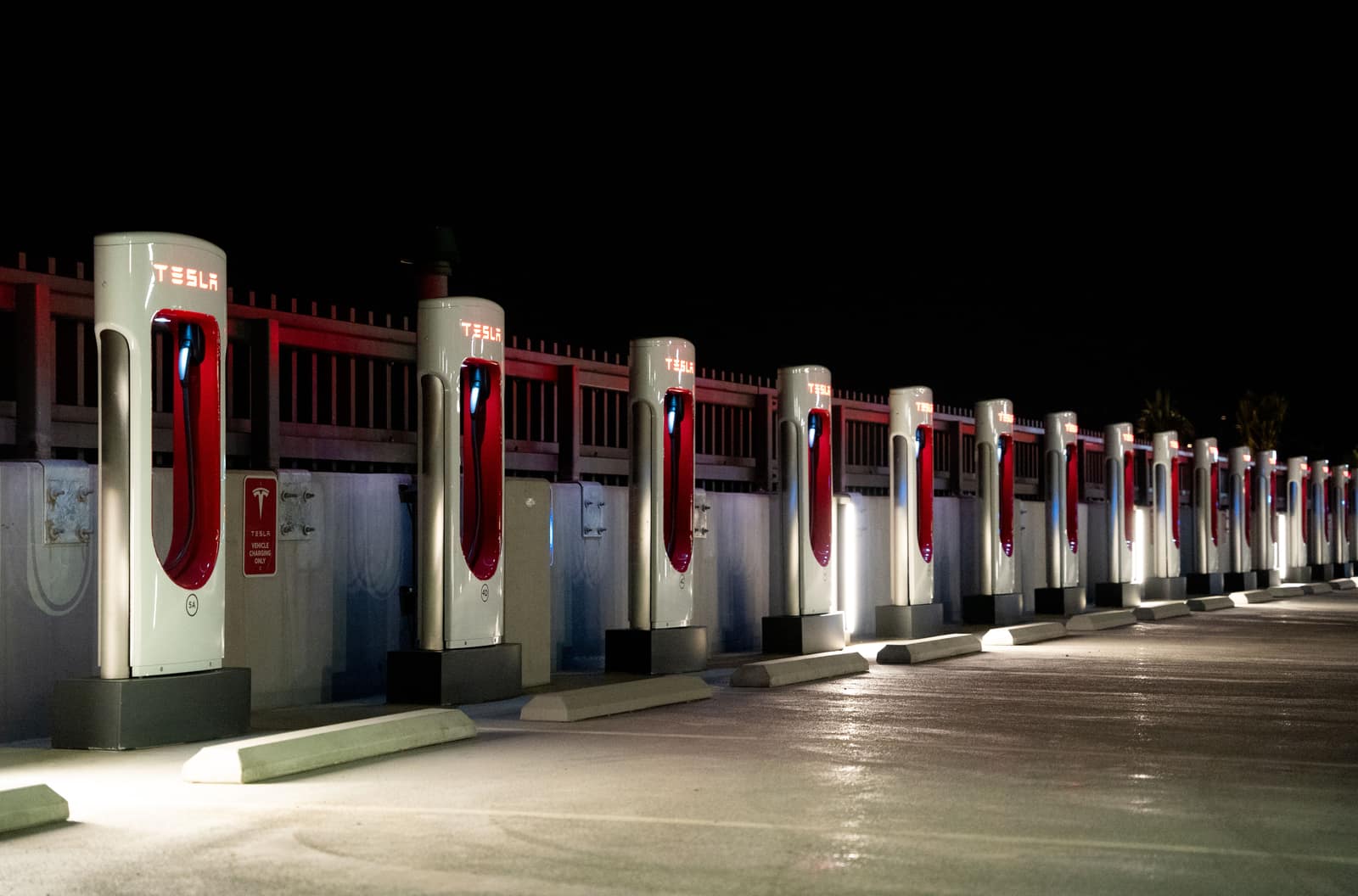
Not an AC adapter. Superchargers are DC. NACS-to-CCS adapters for DC exist as a separate, more expensive product category with different certification.
Is DC charging available at home?
No, and it is not a residential product. Home charging is AC in every practical case, which is what makes it possible to do from an ordinary outlet with equipment you can afford to own.
How do I tell an AC adapter from a DC one before buying?
Read the certification line. UL 2251 and UL 2252 are AC coupler standards. A DC adapter states a different standard and much higher voltage and current ratings, and costs several times as much.
Sources
Every figure on this page traces to one of these. If a number here disagrees with the manufacturer, the manufacturer is right and we want to know — tell us.
- A2Z EV — NACS Charger to J1772 Vehicle adapter, UL 2252 certified (product page)
- A2Z EV — J1772 Charger to NACS Vehicle adapter, UL 2252 / CSA-C22.2 certified (product page)
- Tesla — North American Charging Standard (NACS) connector specification
- U.S. DOE Alternative Fuels Data Center — Electric vehicle charging levels and speeds
Read next
Best Charging Adapter
NACS and J1772 adapters
The adapter section — direction first, brand second. Which adapter your car needs, why AC-only is not a limitation, and what to buy.
Top pick: A2Z EV Stellar NACS to J1772 Adapter, 80A
Guide
NACS to J1772 vs J1772 to NACS
The direction question answered up front: an adapter is named for the cable it plugs onto first and the car it presents to second.
Top pick: Lectron Tesla (NACS) to J1772 Adapter, 48A
Best NACS Adapter
Best NACS adapters
Both directions ranked together, because the wrong-direction purchase is the real risk. Certification numbers, IP ratings and temperature ranges compared.
Top pick: A2Z EV Stellar NACS to J1772 Adapter, 80A
Guide
Home vs public charging
The home-versus-public cost comparison for renters, plus a workable routine for anyone with no home charging at all.
Top pick: Lectron Portable Level 1 J1772 Charger (15A, NEMA 5-15)
Guide
EV charging glossary
A plain-English glossary of the charging vocabulary, with the ambiguous terms flagged rather than smoothed over.
Best Supercharger Adapter
Supercharger adapters for non-Tesla EVs
NACS-to-CCS1 and CCS1-to-NACS adapters compared on published certification, voltage rating and locking, with the automaker caveat spelled out.
Top pick: LENZ NACS to CCS1 Adapter (Supercharger access)